REVIEW · RAMAYANA BALLET & CULTURAL SHOWS
Ramayana Ballet Performance – Purawisata Jogjakarta
Book on Viator →Operated by Traviora.com · Bookable on Viator
Some stories you hear. This one you watch.
At Purawisata in Yogyakarta, the Ramayana Ballet runs through the full epic in multiple acts, using movement and music instead of spoken dialogue. Java gending sets the mood, and the story shifts with character changes, costumes, lighting, and stage action.
I love how clearly the emotions land even with no dialogue—you track heroes, tricks, and turning points through choreography. I also like the way the sound design escalates: the gending stays gentle in calm scenes, then gets louder and more intense when Rahwana, Hanoman, and the monkey army arrive.
One thing to plan for: the dinner piece can be a weak link. The show is often praised as stunning and traditional, but the dinner is reported as hit-or-miss, with some people saying it turned into a buffet in a more Western style and that the coordination details weren’t always clear.
In This Review
- Key moments to notice before you go
- Purawisata Jogja: what you’re buying for about $23
- Ramayana told with bodies, gending, and costumes (no dialogue needed)
- Character energy ramps up: Rahwana, Hanoman, and the monkey army
- The fire scene (Anoman Obong) is the payoff moment
- Dinner at Gazebo Garden Restaurant (Etnik Cafe): included, but manage expectations
- Timing and coordination: 7:00 pm start, no pickup, and clear arrival info
- Is it worth $23? The value equation for show + dinner
- Who this Ramayana Ballet suits best (and who should think twice)
- Should you book Ramayana Ballet at Purawisata?
- FAQ
- What is the duration of the Ramayana Ballet performance?
- Where does the Ramayana Ballet happen?
- What time does the experience start?
- How much does it cost?
- What’s included in the ticket?
- What isn’t included?
- Is there any spoken dialogue during the performance?
- How does cancellation work?
- When will I receive confirmation after booking?
Key moments to notice before you go
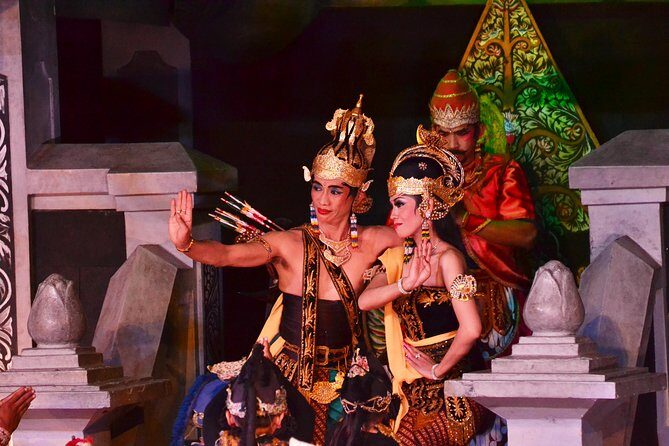
- A full Ramayana in acts, told without spoken dialogue so you don’t need language skills to follow the plot
- Java gending mood shifts that help you feel when a scene turns serious, playful, or dangerous
- The war builds on stage crowding making the battlefield feel louder and more urgent
- Anoman Obong’s fire scene often described as the most exciting part of the night
- Photo time with the cast after the show lets you grab a souvenir moment
Purawisata Jogja: what you’re buying for about $23
This experience packages two things into one evening: an entrance ticket to the Ramayana Ballet performance and dinner at Gazebo Garden Restaurant (Etnik Cafe). The total time on the schedule is about 3 hours, and the experience starts at 7:00 pm.
For roughly $23 per person, you’re not just paying for a short dance set. You’re paying for a complete retelling with costumes, make-up, stage lighting, and music, all designed to carry the epic from start to finish. In places like this, that “full production” cost is usually the main value, and here it’s built around a major traditional story that’s recognized across Indonesia and beyond.
There’s one practical note: pickup/dropoff isn’t included. Since you’re near public transportation, you’ll want to handle your own way there and back, which matters if you don’t like timing stress.
Other Ramayana Ballet and cultural shows in Yogyakarta


Ramayana told with bodies, gending, and costumes (no dialogue needed)
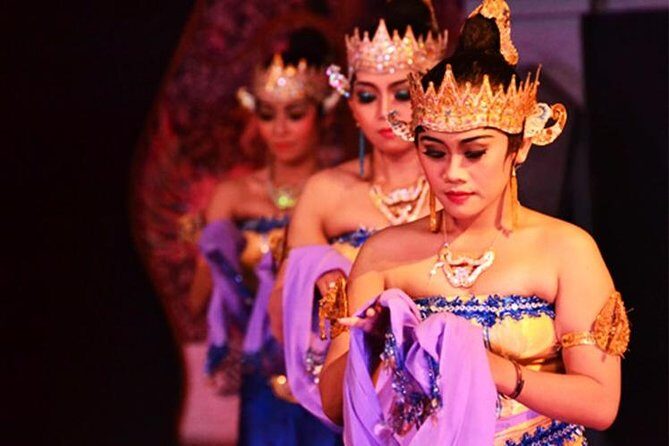
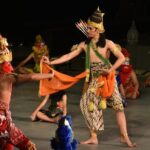
The Ramayana Ballet at Purawisata presents the epic through dancing and body movements, not spoken lines. That’s the core idea—and it’s a big reason this show works for many people. If you freeze when you hear you’ll need to read subtitles or listen closely to narration, this style can feel like a breath of fresh air.
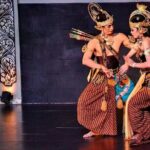
What you’ll actually see is a multi-act performance built from several art forms at once: art, dance, music, drama, lyrics and song, make-up, selected costumes, stage work, and lighting. So even when there’s no dialogue, the production gives you multiple “tracks” to follow: posture and gestures for meaning, music for tone, and costume and lighting for who is who and what’s at stake.
The sound isn’t one-note either. You may notice a sinden (a female vocalist) humming songs in Javanese during certain parts. Then the production changes texture—when the story swings toward Rahwana or Hanoman and the monkey army appears, the music turns more energetic. That’s a helpful signal for you: when the tempo and feel shift, expect the plot to shift too.
Character energy ramps up: Rahwana, Hanoman, and the monkey army
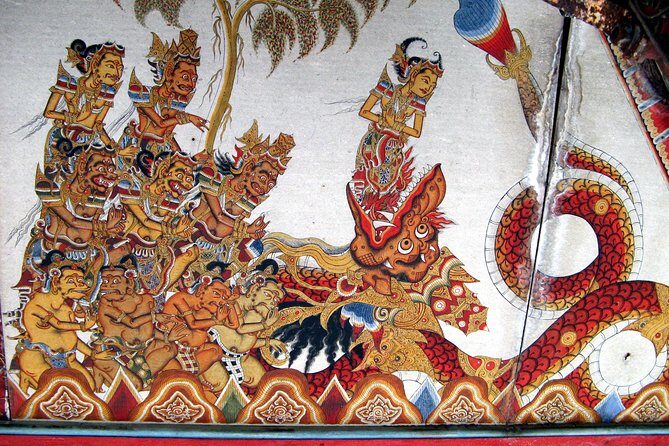
A quiet scene at a dance drama can still be entertaining, but this show is designed for escalation. From the moment the story moves into Rahwana/Hanoman territory, the atmosphere picks up.
The production uses the music as a kind of map. Softer Java gending tends to match calmer, more controlled moments. When the monkey army and their intensity enter, the sound becomes livelier, and the movement on stage reflects that same lift.
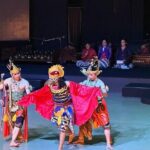
Stage activity also increases. As the story reaches the war, the stage becomes more crowded. That matters for your viewing: you’re not watching a single dancer move across an empty space. You’re watching a coordinated “world,” and the density of bodies helps sell the pressure of battle, even without spoken explanations.
The fire scene (Anoman Obong) is the payoff moment
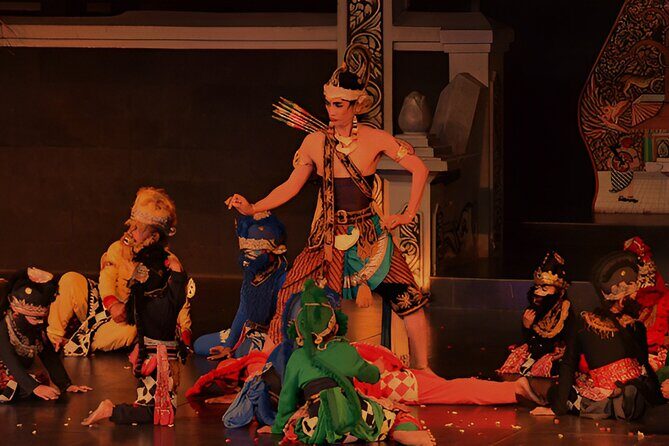
If there’s a single segment people talk about most, it’s Anoman Obong. It’s described as the moment when the show becomes especially compelling, and it’s often linked with excitement around the fire part of the production.
From a viewer standpoint, this is smart staging. When a performance relies on rhythm and storytelling through movement, the show needs a strong peak. A fire scene gives you an immediate visual anchor: bright motion, dramatic lighting, and high stakes all at once.
If you love traditional dance but also want something that feels cinematic, plan to treat this as the “main course.” Arrive ready to pay attention. Put your phone away during the most intense moments if you can—bright fire lighting can also make pictures harder, and you’ll get more from the choreography when you’re not fighting your camera settings.
And yes, there’s a practical bonus: after enjoying the show, you can take pictures with all players on the stage. That’s not just a nice add-on. It’s a straightforward way to turn what could be a passive night into a memorable personal moment.
Dinner at Gazebo Garden Restaurant (Etnik Cafe): included, but manage expectations
Dinner is included in the price, served at Gazebo Garden Restaurant – Etnik Cafe. That’s good news if you hate hunting for food after a performance. It also means you don’t have to coordinate a separate dinner reservation in the middle of an evening.
Now for the other side of reality: the dinner is where reviews seem to diverge. Some people describe the dinner as not good, and others say it shifted toward a buffet style aimed at Western tastes. If that’s your preference, you might be fine. If you came for a fully Indonesian cultural night, you may find the meal feels less connected to the show than you’d hope.
So here’s my practical advice: eat dinner like it’s a convenience, not the highlight. If you’re picky, go in knowing the menu might not match what you’d pick on your own. And if you’re hungry after the show, keep a small amount of flexibility—don’t plan for a super strict midnight snack plan if dinner quality varies.




Timing and coordination: 7:00 pm start, no pickup, and clear arrival info
The start time is 7:00 pm, and the whole experience is roughly 3 hours. Since pickup/dropoff isn’t included, you’ll need to know your route to the venue and get there early enough to settle in. Being near public transportation helps, but it doesn’t remove the need for a calm arrival.
One review flags a real issue: communication about when and where to arrive for dinner and performance times being wrong. That’s the kind of problem you should guard against, especially for a show-night schedule.
My suggestion: once you book, don’t assume details will arrive perfectly. Confirm the time and location you’re expected for dinner, and keep your own reminder for the 7:00 pm start. If you’re traveling with anyone, share the same info so nobody shows up late or early.
Also note: you should receive confirmation within 48 hours of booking, subject to availability. If you don’t get that confirmation, treat it as a prompt to follow up before you plan your evening around it.
Is it worth $23? The value equation for show + dinner
Let’s talk value in plain terms. At $23 per person, you’re paying for a full-scale traditional production that covers the entire Ramayana story in multiple acts, plus an included dinner at Etnik Cafe. In many tourist neighborhoods, a dinner alone can cost a similar amount once you add drinks and service charges.
The show is what justifies the price. The most praised aspects are consistent: the performance is described as beautiful, traditional, and well prepared, with colorful costumes and strong dancers. People also call out the excitement of the fire segment, and the overall production quality (music, staging, and the way scenes build) seems to be the big win.
The dinner is the risk factor. If you end up with a meal that doesn’t match your tastes or feels buffet-style, the total package might feel less fair. Still, you’re not paying extra for the show itself in separate transactions—you’re getting it bundled. So your personal decision comes down to whether you treat dinner as part of the logistics or as part of the experience.
One more value signal: it’s commonly booked about 23 days in advance on average. That usually means demand is steady, and booking earlier can help you lock in your date without scrambling.
Who this Ramayana Ballet suits best (and who should think twice)
You’ll likely enjoy this most if you want a cultural night without needing language. The show tells its story with dance, gesture, costume, and music, and the mood shifts come through in the gending and stage action.
It also fits well if you like “big moments.” The war scenes build on stage crowding, and Anoman Obong is the production’s high point. If you’re the type who wants something visual and dramatic, this is built for you.
Where you might pause is the dinner expectation. If you’re very food-focused and want an Indonesian meal that strongly matches the cultural theme of the performance, you may feel the dinner doesn’t deliver the same level of authenticity.
It’s also a good fit if you’re okay handling your own transport. No pickup/dropoff means you’ll want to be comfortable getting yourself there by taxi or public transit. For most people that’s fine, but it matters if you’re traveling in a way that depends on door-to-door service.
Should you book Ramayana Ballet at Purawisata?
If you want a traditional Ramayana performance that’s heavy on music, dance, and staging and light on language barriers, this is an easy yes. The show’s strongest points—traditional presentation, impressive dancers, colorful costumes, and the standout fire moment—are exactly what you’re coming for.
Just go in with one mindset: dinner is included, but it may not be the highlight. And before your evening starts, double-check dinner arrival details and the actual performance timing, because coordination has been a problem for some people.
If that sounds manageable, book it. For many visitors to Yogyakarta, it’s one of the cleaner ways to experience a full epic story in a single sitting, with the bonus of stage photos after the final act.
FAQ
What is the duration of the Ramayana Ballet performance?
The experience lasts about 3 hours.
Where does the Ramayana Ballet happen?
It takes place at Purawisata in Yogyakarta, Indonesia.
What time does the experience start?
The start time is 7:00 pm.
How much does it cost?
The price is $23 per person.
What’s included in the ticket?
Dinner at Gazebo Garden Restaurant (Etnik Cafe) and the entrance ticket are included.
What isn’t included?
Pickup and dropoff transport are not included.
Is there any spoken dialogue during the performance?
The Ramayana story is presented through body movements or dancing, without dialogues.
How does cancellation work?
You can cancel for a full refund up to 24 hours before the start time.
When will I receive confirmation after booking?
You should receive confirmation within 48 hours of booking, subject to availability.