REVIEW · CYCLING & BIKE TOURS
Authentic Yogya Bicycle Tour
Book on Viator →Operated by Alga Lova Tour · Bookable on Viator
A bike ride near Prambanan beats the bus. This Authentic Yogya Bicycle Tour is a smart mix of heritage, local food, and countryside riding—starting at Prambanan and threading through flat paths past temples, rice fields, and small communities. I like the way it breaks the route into practical chunks: photo stops, a temple visit, then hands-on food and honey experiences. I also like that you get support along the way, including a local guide, water, and even a rain coat. One thing to consider: the ride is short but the route is still outdoors, so if you’re sensitive to heat or sudden showers, go prepared.
You’ll start in the Prambanan area and pedal at an easy pace through a scenic stretch of rice fields and villages. The stop sequence also makes sense: temples first, then food and craft at local homes/industries, ending with a scenic return back to the meeting point. The local guide experience is a standout here—many past guests highlight clear English and a warm, welcoming hosting style (often connected with Alga Lova Tour). A possible drawback is that some temple access costs are not included, so budget for the Plaosan ticket if you want to go in.
In This Review
- Key highlights you’ll feel right away
- Prambanan by bike: why this route feels like the real Java
- Start at Prambanan: meeting point, gear, and the ride comfort basics
- Plaosan Temple stop: what you’ll see and the one ticket you must budget
- Pedaling from rice fields to a Hindu-Buddhist temple viewpoint
- Emping chips at local homes: the snack stop that turns tourists into temporary trainees
- Tofu and soya milk: what to expect and why it’s worth the detour
- Stingless beekeeping and honey tasting: small scale, big flavor
- Back to the meeting point: what the final pedal feels like
- Price and value: why $22 for 2 hours can make sense here
- Timing, pace, and who this tour fits best
- Logistics that can save you time (without turning it into homework)
- Should you book the Prambanan bicycle tour?
- FAQ
- FAQ
- Where is the tour starting point?
- How long is the bicycle tour?
- Is the ride flat, and what fitness level do I need?
- What’s included in the price?
- What isn’t included?
- Which major site will I see?
- Are there different tour times available?
- What kind of ticket do I get?
- What happens if the weather is poor?
- What’s the cancellation/refund rule?
Key highlights you’ll feel right away
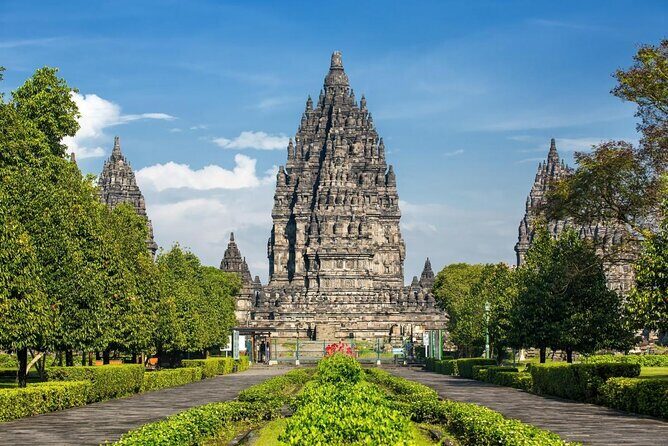
- Prambanan UNESCO area by bike with photo stops and a route that avoids the straight-up tourist shuffle
- Flat riding through rice fields and villages, sized for a moderate fitness level
- Hands-on Indonesian food craft, including learning how emping chips are made
- Tofu and soya milk stops when conditions line up
- Stingless beekeeping and honey tasting, with a small-species honey focus
- Small-group feel with a maximum of 30 people
Prambanan by bike: why this route feels like the real Java
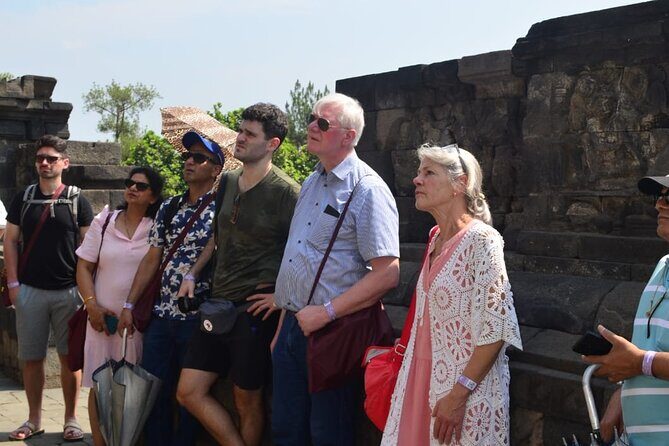
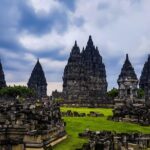
Prambanan is one of the big UNESCO names near Yogyakarta, and seeing it from a bike changes the mood fast. Instead of arriving, taking photos, and leaving, you start near the complex and then ride out through the surrounding countryside. The tour’s structure matters: temples first for context, then the working villages that sit behind the postcard.
The biggest win is how the tour blends three kinds of travel in just about 2 hours:
- Heritage: temples around the Prambanan area and the chance to pause at Plaosan
- Culture: local food and craft at home industries
- Nature and everyday life: rice fields and small village lanes on a flat route
If you’ve ever felt like temple visits in Southeast Asia can be either too rushed or too crowded, this kind of pacing is a nice middle ground. It keeps you moving, but it also gives you actual reasons to stop: viewpoints, food-making steps, and tastings—not just another photo stand.
Other cycling and bike tours in Yogyakarta

Start at Prambanan: meeting point, gear, and the ride comfort basics
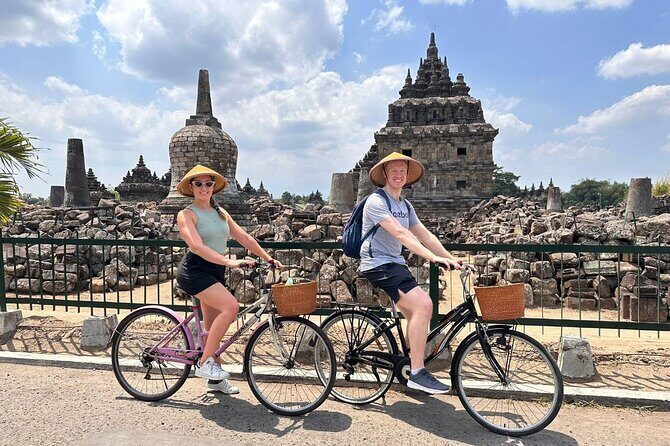
You meet at the Prambanan Temple area (Jl. Raya Solo – Yogyakarta, Kranggan, Bokoharjo, Kec. Prambanan, Kabupaten Sleman, Daerah Istimewa Yogyakarta). The tour ends back at the meeting point, so you’re not dealing with transport logistics later.
Here’s what I’d plan for based on what’s included:
- All necessary biking equipment is provided, so you’re not hunting for rentals
- Bottled water is included
- Coffee and/or tea is included
- A rain coat is provided (important in the wet season reality of Java)
- A local guide leads the whole loop
One small detail that matters more than you’d think: the tour is described as beginning in a calmer, “serene Prambanan” starting point, and past guests mention being greeted with cold water and snacks. That’s a simple touch, but it makes the first 10 minutes feel taken care of instead of chaotic.
Group size is capped at 30 travelers. That usually means you won’t be fighting for space on tiny lanes, and the guide can keep an eye on the group without the ride turning into a line of bikes.
Plaosan Temple stop: what you’ll see and the one ticket you must budget
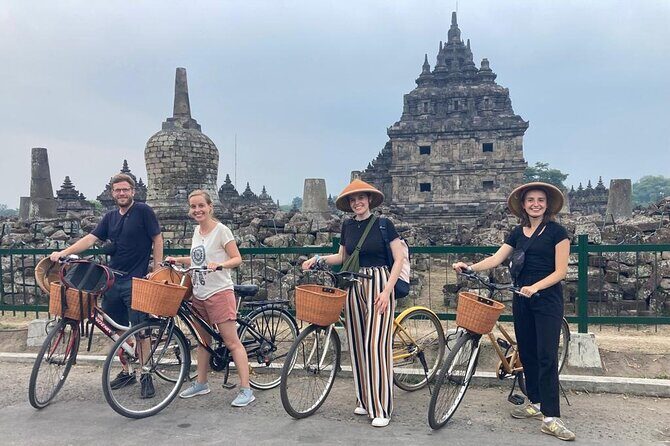
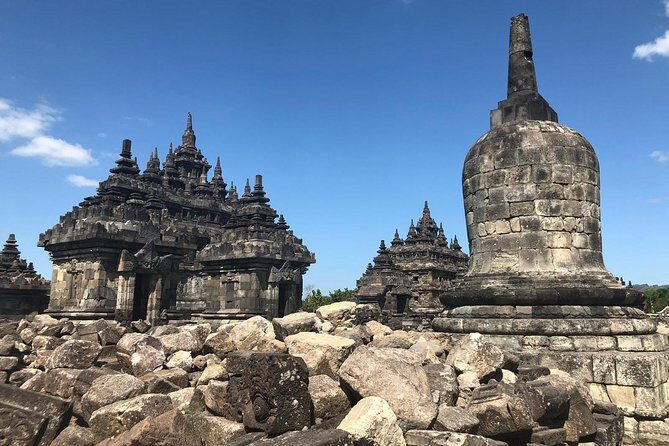
Plaosan Temple is one of the named stops, and it’s the part where you should think about entry costs. The tour includes fees and taxes, but Plaosan temple’s ticket is not included. Translation: you can still do the stop, but if you want full entry, bring a little extra cash or confirm the exact ticket arrangement with your guide on the day.
What makes Plaosan worth including in a bike route is that it breaks up the day nicely. Prambanan tends to be the star, and Plaosan gives you a different temple feel without turning the entire tour into a temple marathon.
If you’re trying to decide whether to pay for Plaosan entry, ask yourself this: do you like temple details enough to step inside, or do you prefer looking from outside and spending your time on the food and village parts? Either choice can work, but because the ticket is separate, you’ll want to make that call early.
Pedaling from rice fields to a Hindu-Buddhist temple viewpoint
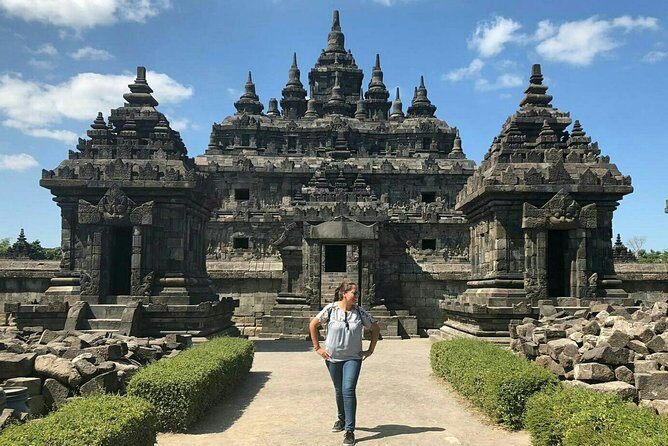
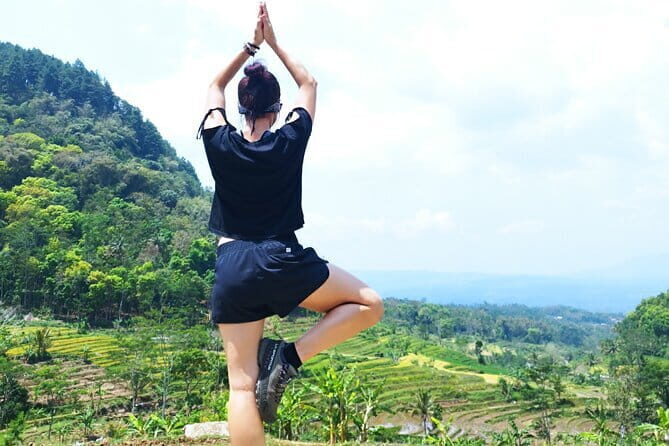
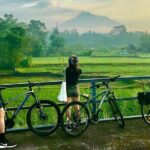
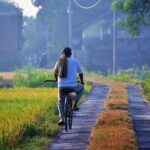
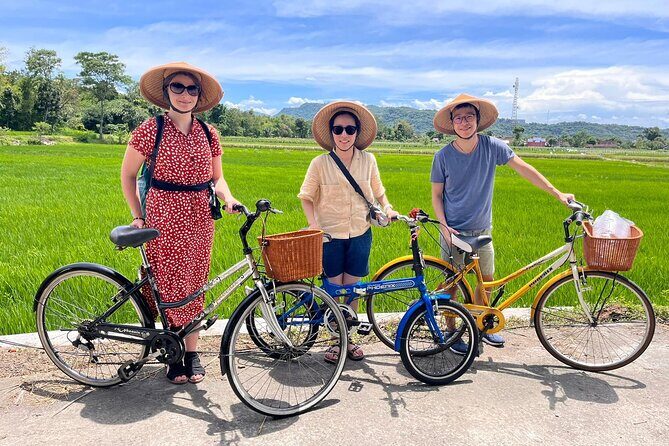
After the early temple segment, you cycle on a flat route north of the Prambanan Temple complex. The vibe shifts from monumental stone to softer scenery: rice paddies and small villages. This is where the tour earns its “bicycle” identity. You’re not just moving between stops—you’re actually riding through the working geography of the area.
The route includes pauses at several scenic/photo locations. Then you reach a smaller temple stop described as combining Hindu and Buddhist elements in one location. The guidance here is clear:
- You can enjoy the view from outside
- Entrance may be possible if you want to go in (likely requiring a separate ticket)
That outside-view option is practical. In humid conditions, inside temples can mean more time in crowds or waiting for entry. Outside viewpoints let you keep the pace without sacrificing the temple moment.
This stop also helps the tour avoid the “only-Prambanan” problem. Even if Prambanan is your main target, having an additional temple style in the mix makes the ride feel more like Yogyakarta than a single landmark detour.
Emping chips at local homes: the snack stop that turns tourists into temporary trainees
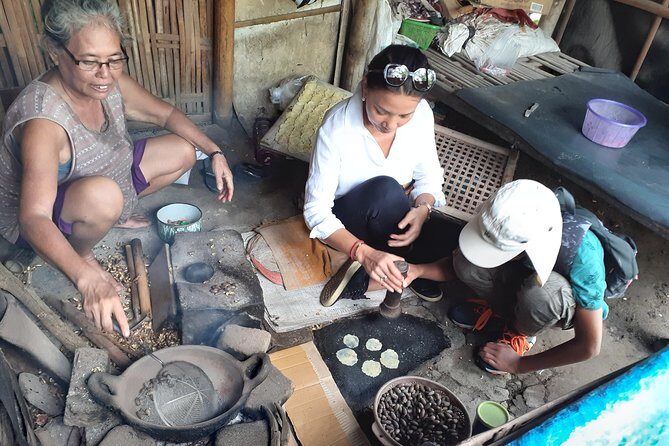
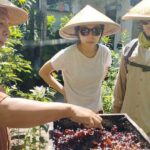
One of the strongest parts of this experience is the home-industry lesson tied to emping chips. You stop at local houses/industries and learn the traditional way of making this Indonesian snack. It’s not just tasting at the end of the day—the emphasis is on seeing the process.
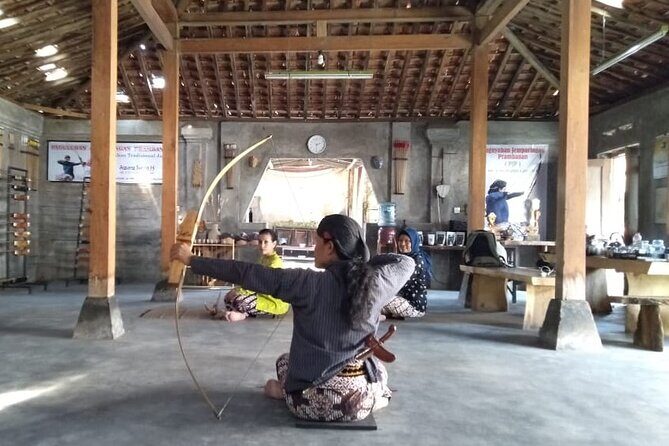
Why this matters for you: food workshops in popular destinations can be either too staged or too vague. Here, the structure is simple—learn how it’s made, then you get the payoff of understanding what you’re eating. The tour also includes music on a traditional bamboo instrument during the snack/home stop, which adds a cultural layer without requiring a long formal performance.
A quick practical note: snack-making stops often mean you’ll be close to food-prep spaces. If you’re sensitive to strong cooking aromas or busy rooms, you might enjoy watching more than handling anything. But the overall tone is described as friendly and welcoming, so it’s not the stiff “tour factory” feeling you might fear.
Tofu and soya milk: what to expect and why it’s worth the detour
After emping, you continue to a tofu-making home industry. If you’re lucky, you may taste fresh tofu and soya milk there. “If we are lucky” is an honest heads-up: this depends on timing and what’s happening at the production site.
Still, the inclusion of tofu is a smart move. Yogyakarta isn’t just temples and batik. It’s also the everyday food systems that keep people fed and families running. A tofu stop turns the countryside ride into a fuller picture of what life looks like just off the main tourist map.
If you don’t get the tasting portion, the stop is still meaningful because you’re seeing the craft side of daily ingredients. And if you do get the tasting, that’s a bonus that makes the tour feel more “live” than any museum visit.
Stingless beekeeping and honey tasting: small scale, big flavor
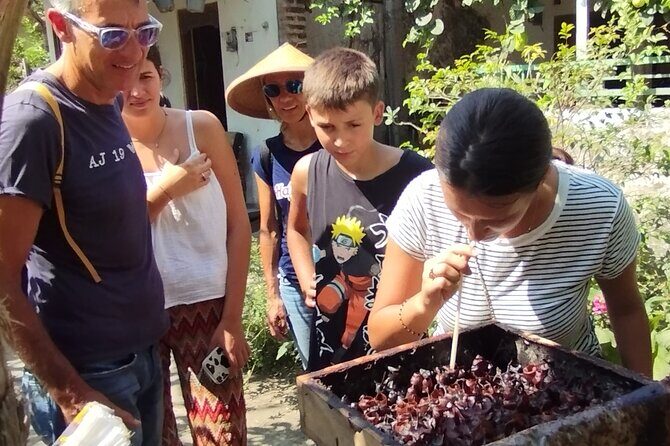
Next comes stingless beekeeping—with honey from small species bees. You get to taste honey here, which is one of those experiences that’s easy to remember because it uses all your senses: smell, texture, sweetness level.
Beekeeping is often portrayed as dramatic in tourism. This one is more grounded: it’s about local quality honey and the small-bee system. You’ll leave knowing honey isn’t one thing—it’s a process, and the bees’ type and local production matter.
This stop is also a good tempo reset. After temples and food craft, a calmer tasting session helps you avoid the “too many stops, too little processing” problem.
Back to the meeting point: what the final pedal feels like
The tour ends after those food-and-honey moments. Then you start another scenic cycle back to the meeting point. This last stretch is important because it closes the loop: you’re not drained and rushed into a final landmark sprint.
Because you’re riding through the same general countryside area that started the day, the return feels like “continuing the story,” not just riding home. It’s also a relief if you had any nerves about handling a bike for two hours—you’ll know you’re almost done.
Price and value: why $22 for 2 hours can make sense here
At $22 per person for about 2 hours, the value is tied to what’s included. You’re not only paying for a bike and a guide—you’re also getting:
- Bottled water
- Coffee and/or tea
- Rain coat
- All fees and taxes
- Stops that include food-making instruction and honey tasting
- A route that covers a UNESCO World Heritage Site area without heavy transit friction
Could it be more expensive elsewhere for similar experiences? Yes, and the extra often goes to bigger vehicles or less meaningful stops. Here, the pricing makes sense because your “input” (time and effort on a bike) gets turned into multiple real takeaways: temple context, local food knowledge, and tastings.
The one cost you should account for is the Plaosan ticket (not included). If you plan to enter Plaosan, factor that in from the beginning. Otherwise, your budget stays straightforward.
Timing, pace, and who this tour fits best
You can choose from several tour times to match your schedule. The tour duration is listed as about 2 hours, and the ride is described as flat with a moderate fitness requirement.
So, who’s this for?
- Great for couples and friends who want a shared activity that still feels personal
- Good for solo travelers who like the comfort of a guide and a small-group format
- Ideal if you can handle a short bike ride in warm outdoor conditions
- Especially good if you want more than temples—meaning you care about food culture, too
Who should think twice?
- If you’re expecting a super athletic ride, this won’t be it. It’s more about smooth cruising and meaningful stops.
- If you dislike outdoor riding at all, this may feel like work instead of fun.
The good news: you’re given practical support, including a rain coat and bottled water, and the route is designed to be manageable.
Logistics that can save you time (without turning it into homework)
The start is near public transportation, so you’re not stuck finding a taxi from the far side of the city. Still, do yourself a favor and plan to arrive a few minutes early so you can check equipment and get briefed before you roll out.
Also keep this in mind: the tour is “good weather” dependent. That matters because cycling is the main activity. If weather is iffy, you’ll want a plan for how you’ll handle a date change.
If you’re bringing a phone for photos, bring a way to keep it secure while biking. You’ll likely want it handy for those scenic photo stops around the Prambanan area and the rice fields.
Should you book the Prambanan bicycle tour?
Book it if you want Yogyakarta to feel lived-in. This tour is built for people who like a mix of temples + local food in a short time, and who enjoy moving under their own power through the countryside.
Don’t book it if you’re only chasing the biggest monument photo. If your priority is a long, deep temple-only day, you may prefer a dedicated temple itinerary and skip the food-and-honey segments.
If you’re on the fence, here’s my simple rule:
- If you’ll enjoy learning how snack and daily foods are made, and you want a comfortable ride, this is an easy yes.
- If you’re mostly temple-only and don’t care about tastings or craft stops, you’ll probably feel like it’s too many different things in one outing.
FAQ
FAQ
Where is the tour starting point?
The tour starts at the Prambanan Temple area on Jl. Raya Solo – Yogyakarta (Kranggan, Bokoharjo, Kec. Prambanan, Kabupaten Sleman, Daerah Istimewa Yogyakarta 55571, Indonesia). It ends back at the meeting point.
How long is the bicycle tour?
The tour lasts about 2 hours.
Is the ride flat, and what fitness level do I need?
The route is described as flat, and travelers should have a moderate physical fitness level.
What’s included in the price?
The tour includes bottled water, all fees and taxes, a rain coat, a local guide, and coffee and/or tea. Biking equipment is also provided.
What isn’t included?
Plaosan temple’s ticket is not included.
Which major site will I see?
You’ll see the Prambanan UNESCO World Heritage Site area, plus other temple stops along the route.
Are there different tour times available?
Yes. You can choose from several tour times to fit your schedule.
What kind of ticket do I get?
You receive a mobile ticket.
What happens if the weather is poor?
This experience requires good weather. If it’s canceled due to poor weather, you’ll be offered a different date or a full refund.
What’s the cancellation/refund rule?
Cancellation is free up to 24 hours in advance for a full refund. If you cancel less than 24 hours before the start time, the amount paid is not refunded.