REVIEW · DIENG PLATEAU TOURS
Dieng Plateau with Sikunir Sunrise Full-Day Tour
Book on Viator →Operated by Asmaradhana Borobudur Tours · Bookable on Viator
Sunrise starts before your phone even wakes. This full-day trip to the Dieng Plateau is built around Sikunir Hill’s early-morning viewpoint, when the mist can make everything feel more dramatic than any photo. You also get sulfur sights and ancient temples in the same day, so it’s not just a sunrise run.
What I like most is the way the schedule funnels you toward the best lighting moment first, then keeps moving while your energy is still good. My second big favorite is the Arjuna Temple Complex, where you can see how old Hindu worship shaped the area around Dieng.
The main drawback is simply the early start and pace: you’ll be picked up around 1:00am, ride for hours, and make a short but intense climb for the sunrise. If you’re not used to cold, plan for it. One helpful tip from a past guest: pack a light jacket.
In This Review
- Key highlights from this Dieng full-day plan
- A very early start for Sikunir Sunrise
- Yogyakarta to Dieng Plateau: long drive, smooth logistics
- Sikunir Hill viewpoint: the short hike that matters
- Batu Pandang Hill and Telaga Warna after sunrise
- Sikidang Crater: steam, bubbling mud, and moon-like ground
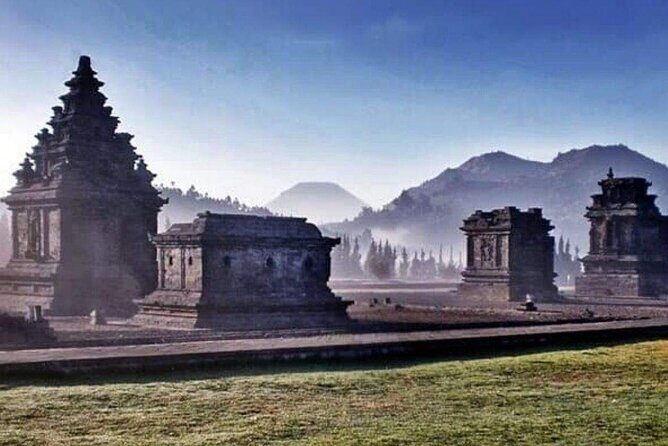
- Arjuna Temple Complex: ten small temples with a living backstory
- Time in transit: how the day stays moving
- Guides and small moments that improve the experience
- Price and value: what $70 really covers
- Who should book this Dieng full-day sunrise tour
- Should you book this Dieng Plateau with Sikunir Sunrise?
- FAQ
- What time does the tour start?
- How long is the Dieng Plateau with Sikunir Sunrise tour?
- What stops are included in the day?
- Are meals included in the $70 price?
- Is the transport air-conditioned and is there an English-speaking guide?
- What if the weather is bad?
- Is free cancellation available?
Key highlights from this Dieng full-day plan
- Sikunir Sunrise timing: early pickup, a short hike to the viewpoint, and you’ll be in position before the light show starts.
- Telaga Warna color lake: you’ll visit after sunrise, with stops that include the Batu Pandang Hill area and the lake itself.
- Sikidang Crater steaming sulfur mud: an open crater experience with bubbling mud and venting steam.
- Arjuna’s ten temples from the 7th century: small temple cluster today, plus fascinating local context about why so many shrines exist.
- English-speaking guide and AC transport: air-conditioned vehicle, English support, and entrance fees handled on the tour.
A very early start for Sikunir Sunrise
If you want a later, slower travel rhythm, this tour is not it. The day begins at 1:00am (with pickup described as around midnight in the run-up), and you’ll spend the first chunk of time on the road from Yogyakarta toward Dieng Plateau.
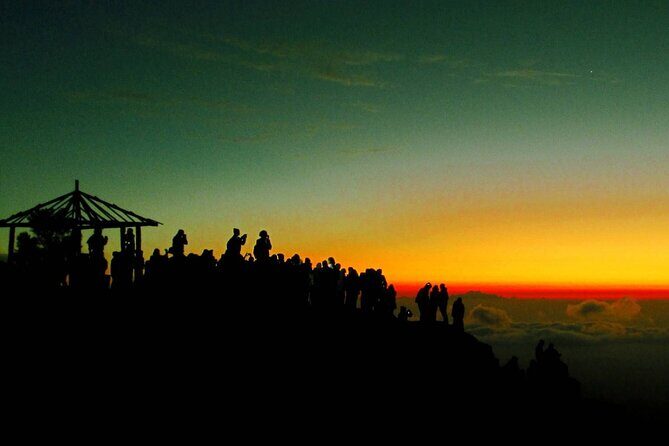
The reason I think this timing is worth it is simple: sunrise on Sikunir Mountain isn’t something you can casually “drop by.” You need to be at the top area before the sky really starts changing. The itinerary builds that into the day with a pre-dawn car ride, then a short walk up from the hill area to the sunrise spot (about 20–30 minutes on foot).
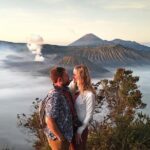
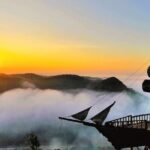
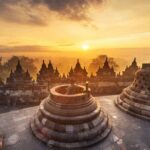
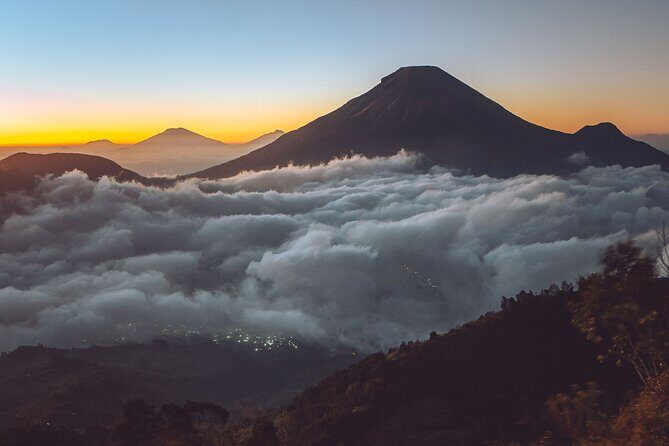
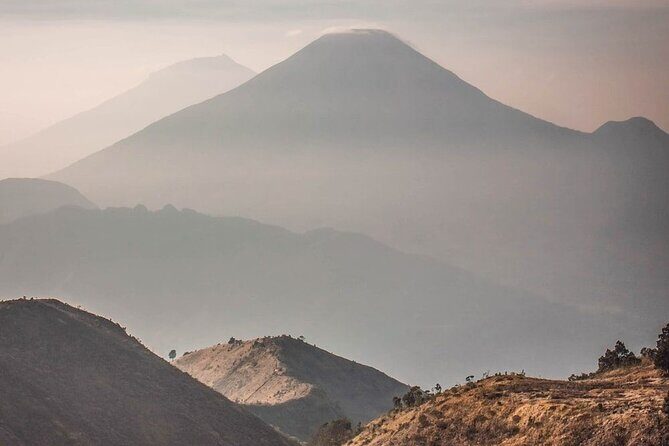
Once you’re there, you’ll understand the draw immediately. Dieng is known for mist and unusual ground conditions, so even before the sun arrives, the scene can look like a film set. And once the light hits, the payoff is the whole point of getting up this early.
Other sunrise tours we've reviewed in Yogyakarta

Yogyakarta to Dieng Plateau: long drive, smooth logistics
The drive takes about 3 hours by car. That’s not “quick,” but it’s also not a deal-breaker if you’re prepared. This is one of those days where the vehicle time is part of the experience. You’re basically buying a one-day ticket that covers driving plus multiple admissions plus guiding.
The tour includes an air-conditioned vehicle and an English-speaking driver/guide. That matters more than it sounds, because this region involves early timing, uneven routes, and several different stops in one day. Having someone coordinate transitions keeps you from burning energy on figuring out schedules.
What I’d recommend for your own comfort:
- Keep a light jacket accessible. One past guest specifically mentioned packing a light jacket for the early cold.
- Wear shoes you trust on dusty, uneven ground. The sunrise viewpoint climb is short, but it’s not on perfect pavement.
- Bring a small water plan. Meals aren’t included, so you’ll want your own snacks or timing strategy later.
Sikunir Hill viewpoint: the short hike that matters
At the top of Sikunir Hill, you’ll head to the sunrise viewpoint, with the walk typically described as 20–30 minutes. You’re not climbing for hours, which is good. But don’t let “short” fool you. A review mentioned the climb is short but intense, and that matches what you should expect from hilly terrain at sunrise in thin-hours conditions.
The practical goal here is to arrive before it gets too crowded and to position yourself quickly. If you’re the type who hates rushing, this is still manageable, but you’ll want to be ready the moment you step out of the car.
Once you’re at the viewpoint, think of it as a waiting game. Sunrise doesn’t happen on your schedule. You’ll stand there watching light shift through the mist, and the value is in that slow reveal. This is the kind of moment where you stop checking your camera and just watch the weather do its thing.
Batu Pandang Hill and Telaga Warna after sunrise
After sunrise, the tour shifts to lower-energy sightseeing that still feels otherworldly. Next is Batu Ratapan Angin, and on the way you’ll head to Telaga Warna Lake via Batu Pandang Hill.
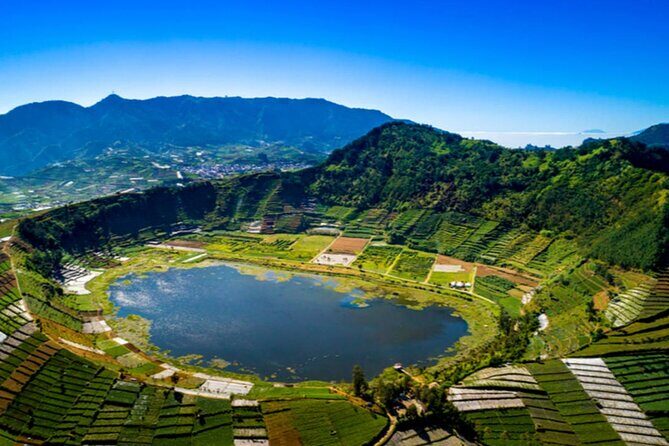
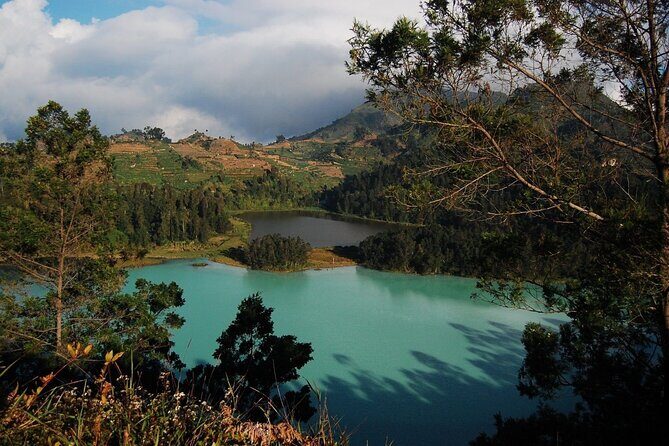
Telaga Warna is famous for a simple reason: the water can change in color. The itinerary describes it as having fluctuating colors, which is exactly what you should expect. Don’t assume you’ll always see one dramatic shade. Instead, show up looking for variation.
Batu Ratapan Angin is part of the route experience, like a scenic in-between. The name comes up as a stop category on the tour, so you’re not just rushing through. You get time to look around, take photos, and reset after the early hike and sunrise waiting.
One caution: if you’re sensitive to dust or slippery steps, keep your pace steady. Dieng’s terrain gets described as bumpy and dusty at other stops, so it’s smart to keep your footing game on.
Sikidang Crater: steam, bubbling mud, and moon-like ground
Then comes the part that really turns the dial on “this place is weird in a good way.” Sikidang Crater is an open sulfur crater where you can see bubbling mud and steam rising. The description is vivid: angry bubbling mud and bellowing steam, set among a rough, dusty area.
You’ll feel like you’ve stepped onto a different planet. It’s not about comfort here. It’s about being close to geothermal activity—something Indonesia does well, and Dieng is one of the most famous examples.
What I like about this stop is that it’s visually immediate. You don’t need a long explanation to understand what you’re seeing. Steam comes up, the mud looks active, and you get that “geology in motion” feeling.
Do keep your expectations grounded:
- You’re viewing active geothermal effects, not a controlled museum display.
- Wear shoes that can handle dust and uneven ground.
- Keep your plans for photos safe. Steam and heat haze can mess with clarity, so don’t linger too close if the air feels intense.
Other Dieng Plateau tours from Yogyakarta
Arjuna Temple Complex: ten small temples with a living backstory
By the time you reach Arjuna Temple, your body will likely feel it. But this is one of those stops that can re-center your attention because it connects the dramatic natural setting with human history.
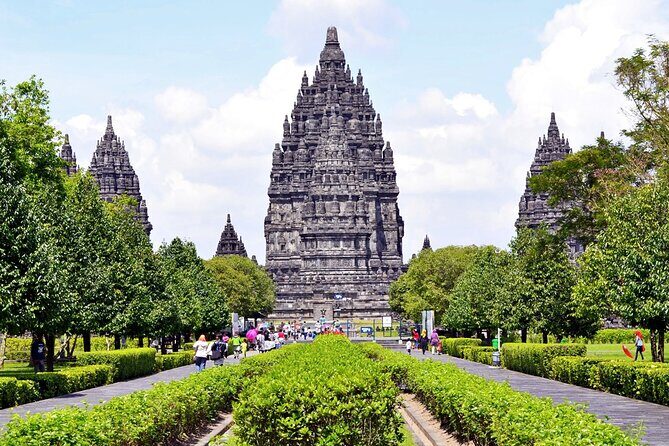
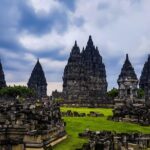
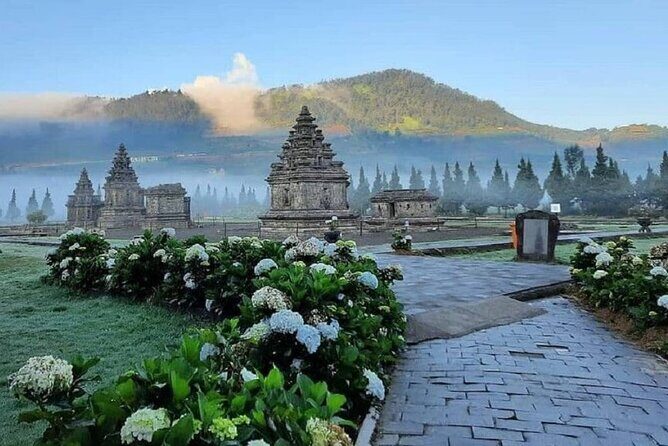
Arjuna Temple Complex today houses ten small Hindu temples dating back to the 7th century. You’ll also hear local context about how many more temples once existed. The explanation shared on the tour references older accounts about far more temples—around 400—compared with what remains in the cluster.
Then there’s the detail that I think makes this stop memorable: the role of “Sipi” in temple creation. The tour explanation describes a system where people skilled at temple-building create small temples first. Before building a public temple, they must create a small temple in the area and show it to the leader of Sipi. That helps explain why you can find many smaller shrines and older-looking structures in the area.
Even if you’re not a temple-history person, this kind of cultural mechanism gives the stone meaning. You’re not just looking at ruins. You’re seeing a tradition that shaped what got built—and what survived.
Time in transit: how the day stays moving
This tour runs about 12 to 13 hours, and that long window matters because it changes how you should approach the day. The plan is not “lingering at one place for a long time.” It’s a sequence: sunrise first, then crater and temples, then additional sights around Telaga Warna.
Because the pace is built-in, you’ll want to plan for fatigue:
- Start your day with enough water before pickup.
- Keep snacks for later since breakfast, lunch, and dinner are not included.
- Expect you’ll spend more time moving between points than you would on a shorter itinerary.
On the positive side, you’re not doing this with confusing self-navigation. The tour includes parking and entrance fees on the program, plus the air-conditioned vehicle to move you between stops. That reduces mental load, especially when you’re leaving early and returning late.
Guides and small moments that improve the experience
A sunrise tour lives or dies by guidance. The people who lead these trips help you manage timing, find the right viewpoints, and keep you from getting lost during transitions.
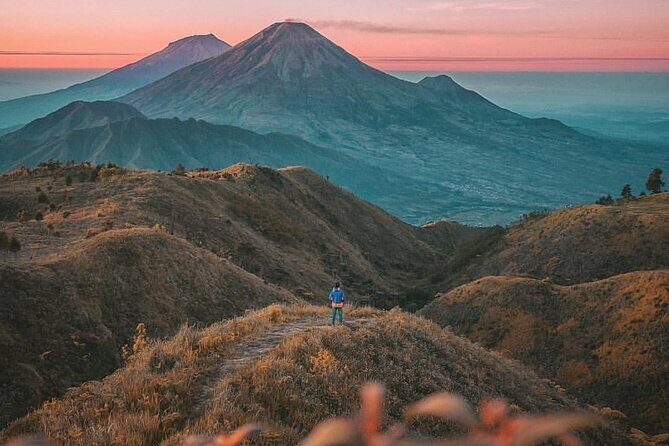
In this case, English-speaking guides and drivers are part of the package. Two guide names showed up in past feedback: Didik and Sigit. One guest praised Didik as beyond helpful, and another highlighted Sigit as friendly and patient—especially in encouraging people during the climb to the viewpoint.
That patience matters because the sunrise portion can make people feel pressured. If you’re climbing in low light, unsure footing, and cold air, encouragement can keep your pace steady. And if you’re a person who likes to move slowly, a patient guide is the difference between a pleasant climb and a stressful one.
Price and value: what $70 really covers
The price is $70 per person, and the tour is commonly booked about 30 days in advance. What makes this price feel reasonable is that it’s not just a “guide fee.” It includes a lot of the hard-to-manage costs:
- Air-conditioned transport
- All fees and taxes
- Entrance fees for the program stops
- Parking
- English-speaking driver/guide
What’s not included is equally important: no meals. Breakfast, lunch, and dinner are on you. That can add cost, but it also gives you flexibility. If you know you’ll get hungry, you’ll do yourself a favor by bringing snacks and deciding how you want to handle lunch when you’re back on the move.
Group discounts are mentioned, and the tour is also described as private for your group. So the experience should feel like you’re traveling with your own booking party, not floating around with random strangers all day. Add the included admissions, and the value mostly comes from convenience and a full program packed into a long day.
If you’re comparing options, I’d look at the total you’ll pay after adding admissions and transport. When entrance fees are handled for you, the math gets easier fast.
Who should book this Dieng full-day sunrise tour
This tour is a great match if you:
- Love a strong first highlight and don’t mind a very early start
- Want nature and culture in one day without planning every step yourself
- Prefer a guided route with admissions included
- Don’t mind a short but intense climb for the sunrise viewpoint
It might feel like too much if you:
- Get worn out by long car days (12–13 hours is substantial)
- Hate waking up early and waiting in the cold hours before dawn
- Want lots of free time at each stop
Should you book this Dieng Plateau with Sikunir Sunrise?
I think you should book it if you want a well-organized day that targets Sikunir sunrise first, then delivers geothermal drama at Sikidang, and finishes with meaningful temple context at Arjuna. The included admissions and English-speaking guidance are the big value drivers, especially for a schedule this early.
Do it with a small amount of realism: you’re buying time, coordination, and comfort on the road—not a slow, relaxed sightseeing day. If you pack a light jacket, wear steady shoes, and plan for meals on your own, you’ll get a long but satisfying sweep of what Dieng is known for.
FAQ
What time does the tour start?
The tour start time is listed as 1:00am, with pickup in Yogyakarta described as starting around midnight.
How long is the Dieng Plateau with Sikunir Sunrise tour?
It runs about 12 to 13 hours.
What stops are included in the day?
You’ll visit Sikunir Mountain for sunrise, Batu Ratapan Angin and Telaga Warna Lake, Sikidang Crater, and the Arjuna Temple Complex.
Are meals included in the $70 price?
No. Breakfast, lunch, and dinner are not included.
Is the transport air-conditioned and is there an English-speaking guide?
Yes. The tour includes an air-conditioned vehicle and an experienced tourism driver/guide who speaks English.
What if the weather is bad?
This experience requires good weather. If it’s canceled due to poor weather, you’ll be offered a different date or a full refund.
Is free cancellation available?
Yes. You can cancel up to 24 hours in advance for a full refund.