REVIEW · HIDDEN TEMPLES & HERITAGE TOURS
The Hindu Realms of the Prambanan
Book on Viator →Operated by Asian Trails LTD · Bookable on Viator
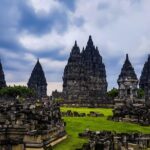
Prambanan turns temple walls into a storybook. This private half-day tour takes you to the Trimurti temples of Shiva, Vishnu, and Brahma (often called Loro Jonggrang), then adds context by pairing it with nearby shrines and the Ramayana epic carved in stone. I especially like having a private English-speaking guide who can explain what you’re looking at, not just what exists.
My other favorite part is the ease: hotel pickup and drop-off by air-conditioned private vehicle, with entrance fees included for the stops that require them. The main drawback to plan for is the early start (you meet at 7:30am) and the sun. Also, the temple dress code is strict—shoulders covered and knees below the knee—so you’ll want to dress before you go.
In This Review
- Key things to know before you go
- Why Prambanan’s Trimurti Layout Still Feels Modern
- A 7:30am Half-Day Plan That Fits Real Life
- Stop 1: Prambanan (Loro Jonggrang) and the Ramayana Wall Stories
- Stop 2: Plaosan Lor, Sewu, and the Hindu-Buddhist Temple Neighborhood
- What Your Private English-Speaking Guide Adds
- Price and Value for a Private Temple Morning
- Practical Tips: Dress, Sun, and Camera Protection
- Should You Book The Hindu Realms of the Prambanan?
- FAQ
- What temples will I visit?
- How long is the tour and when does it start?
- Is this tour private?
- Do I get hotel pickup and drop-off in Yogyakarta?
- Is the guide English-speaking?
- Are entrance fees included?
- What dress code should I follow?
- What is the cancellation window for a full refund?
Key things to know before you go
- Private half-day with a guide in English, so you can ask questions while you walk
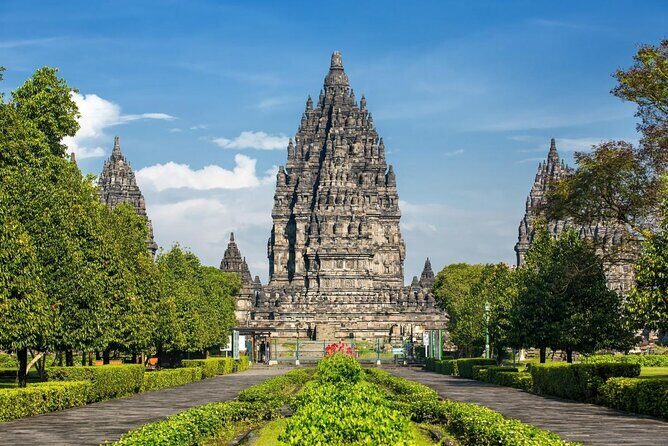
- Prambanan UNESCO access with admission included, plus time to study the carvings
- Trimurti temples dedicated to Shiva, Brahma, and Vishnu in one compound
- Ramayana reliefs on the walls that make the place feel alive (and easier to follow)
- Plaosan Lor and nearby shrines like Candi Sewu for a fuller temple neighborhood view
- Hotel pickup only for downtown Yogyakarta, with other areas excluded
Why Prambanan’s Trimurti Layout Still Feels Modern
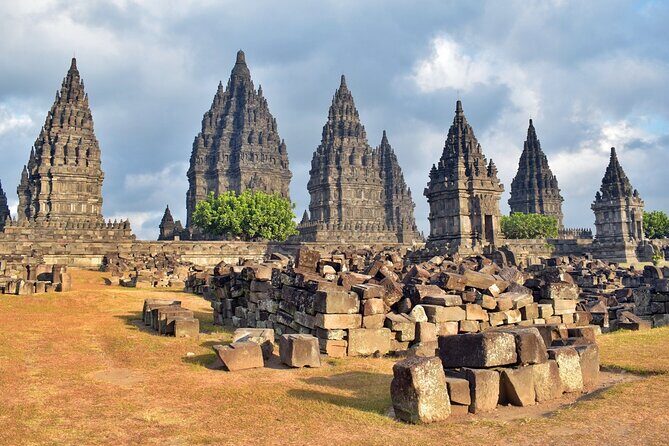
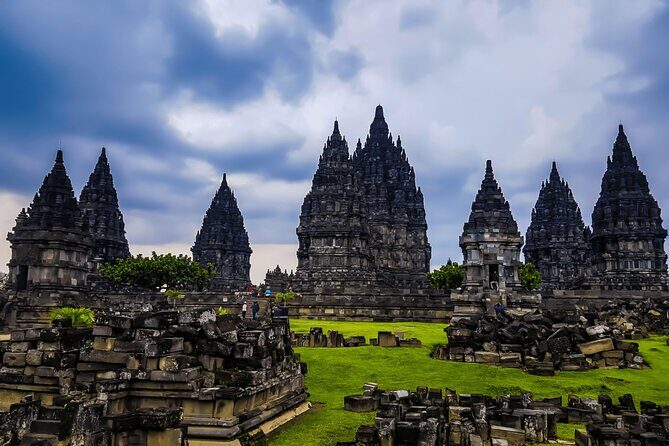
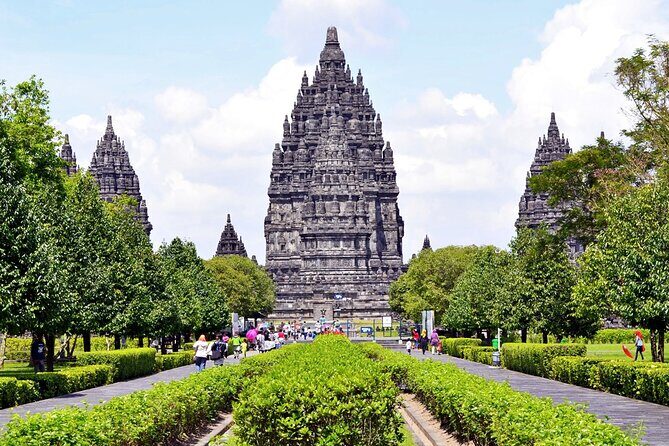
Prambanan is one of those rare sites where the design helps you understand the culture. The complex was built around the 9th century, tied to the Hindu Sanjaya Dynasty, when Java was ruled by a Hindu court. Today, it’s protected by UNESCO since 1991, and it still matters to local Hindu festivals and events.
What I like most is the clarity of the Trimurti setup. You’re not wandering randomly through “a big temple.” You’re walking among the three main temples dedicated to Shiva, Brahma, and Vishnu, and you can feel how the layout guides your attention. Even if you only remember one thing, it helps to know you’re looking at a religious system that was built to be seen.
Prambanan is also known locally as Loro Jonggrang, and it’s often described as Indonesia’s largest Hindu temple. In the wider compound area, many structures still show traces of a much larger original complex—over 200 separate temple structures are associated with the Prambanan temple world. That scale is part of why the tour is carefully timed: you’ll get real access to the main sights without racing through them.
Other Prambanan Temple tours we've reviewed in Yogyakarta
A 7:30am Half-Day Plan That Fits Real Life
This runs in the morning only, with meeting time at 7:30am. From downtown Yogyakarta, the drive to Prambanan takes about 45 minutes heading east, so you’re not losing half a day to transit. If you like tours that start early and let the rest of your day stay open, this schedule works well.
The tour lasts about 6 hours, but the “temple time” is broken into two main stops:
- Stop 1 at Prambanan Temples for about 2 hours
- Stop 2 at Jalan Candi Plaosan Lor for about 1.5 hours
That structure matters. Prambanan can be visually intense, especially if you walk in with no context. Having a guide-led rhythm means you’ll spend time where explanations matter most, rather than trying to self-interpret everything through sheer willpower.
Practical note: pickup and drop-off are included only for customers staying in downtown Yogyakarta. If you’re staying outside that area (the tour specifically calls out the Borobudur and Prambanan regions, and also the international airport area), you’ll need a supplement. And if you’re in a private residence or non-registered accommodation, you might be asked to meet at a nearby hotel instead.
Stop 1: Prambanan (Loro Jonggrang) and the Ramayana Wall Stories
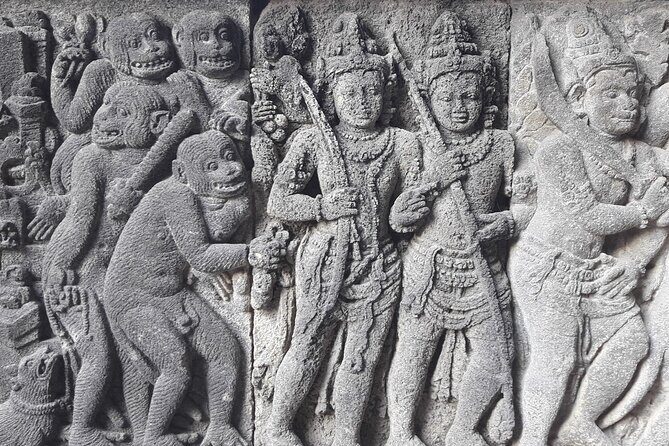
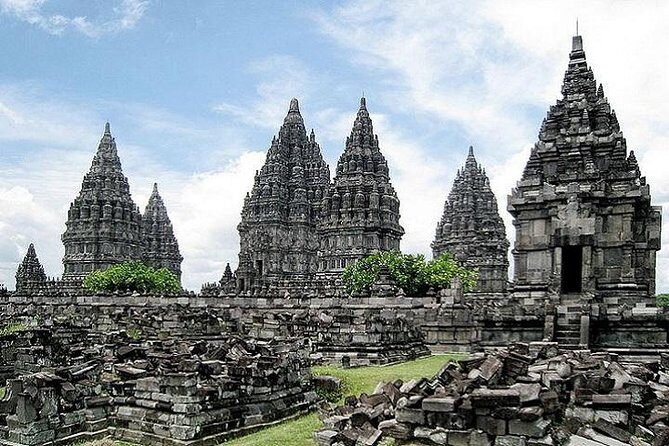
The heart of the trip is Prambanan Temples, an 8th-century Hindu complex that UNESCO now protects. You’ll spend about 2 hours here with your guide, and the focus is on understanding the meaning behind what you see—not just taking pictures.
You’ll learn the significance of the three major temples dedicated to Shiva, Vishnu, and Brahma. This isn’t abstract theology. It’s visible in the way the compound is laid out and in the recurring imagery carved into the stone. The guide also connects Prambanan to its wider setting, including the surviving idea that the compound once included far more than the main structures you can visit today.
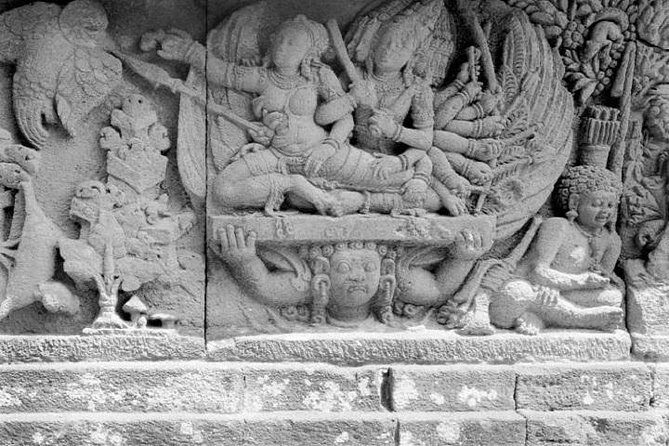
The carvings are the payoff. Prambanan is famous for “Ramayana” story panels carved into the walls, and the tour is built around that. When you understand what you’re looking at—who’s doing what, and why those scenes matter—the temple compound stops being just architecture and becomes storytelling in stone.
One more detail I appreciate: Prambanan is described as a living religious site. After its rediscovery, it continued as an important place for Hindu festivals and events for Indonesians. So even though you’re there as a visitor, you’re also seeing a place that still has a public role today.
Drawback to watch for: in the morning sun, it can feel like a lot of time in exposed areas while you’re looking up and taking in carvings. If you’re heat-sensitive, bring the sun kit the tour asks for: sunglasses, a hat/cap, and high-SPF sunscreen.
Stop 2: Plaosan Lor, Sewu, and the Hindu-Buddhist Temple Neighborhood
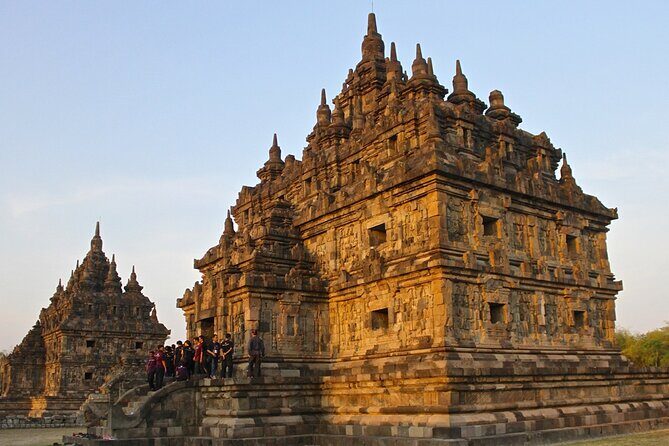
The second stop shifts from the main Prambanan trio to the wider temple environment. You’ll head to Jalan Candi Plaosan Lor and spend about 1.5 hours, with admission marked as free for this part of the visit.
Here, the guide leans into the connections between Prambanan and the surrounding temples, including both Hindu and Buddhist origins. That’s one of the reasons I like this add-on: you get a sense of the broader religious landscape of the area, rather than treating Prambanan as an isolated island.
You’ll also have time to stroll around neighboring shrines such as Candi Plaosan and Candi Sewu. The setting helps you compare styles and motifs, and it gives you extra “small moments” beyond the biggest structures. If Prambanan is the main event, this is the supporting cast that makes the day feel fuller.
The tour description also frames this area as containing over 240 recorded temples and buildings, with a highest point around 47 meters above ground. You won’t climb everything to that height, of course, but knowing the compound world is dense makes it easier to understand why a guide is helpful. Without explanation, it’s easy to get lost in the sheer number of stone remnants.
What Your Private English-Speaking Guide Adds
A private guide is what makes the difference between seeing temples and actually understanding them. The tour is operated on a full private basis with an English-speaking guide, which means your questions don’t get squeezed between other groups.
I’m also encouraged by what’s shown in guide feedback: one standout mention singled out a guide named Sophia, praised for strong English and for making the experience feel easy to follow. When your guide can explain the meaning of the wall carvings—especially Ramayana scenes—you’ll likely spend less time guessing and more time connecting details.
What you should expect the guide to do (based on how the tour is designed):
- Point out key carvings and explain what they represent
- Tie Prambanan’s stories to the surrounding shrine areas
- Clarify the Hindu and Buddhist connections in the neighborhood
- Help you slow down enough to notice patterns, not just monuments
This is also where the tour’s “half-day” format works in your favor. You get a guided explanation loop, then enough time to walk at your own pace inside the compound. You’re not forced to accept one fast photo line after another.
One possible consideration: a private tour can still be tiring if you pack too much into the same day. Plan a lighter afternoon after this one. If you keep the rest of your schedule calm, the temple time feels rewarding instead of exhausting.
Other hidden temples and heritage tours in Yogyakarta
Price and Value for a Private Temple Morning
The price is listed at $123.08 per person for a tour of about 6 hours, including hotel pickup/drop-off in downtown Yogyakarta, a private English-speaking guide, air-conditioned transport, and entrance fees for the visits described. For many travelers, the best value isn’t just the ticket—it’s that you’re paying for time efficiency plus interpretation.
Here’s how I’d think about value before booking:
- You get private transport rather than scrambling with local rides while coordinating your own route.
- Entrance fees are included where applicable, so you’re not stuck paying separately mid-tour.
- The guide can turn carvings into something you can read, which is often where tours become worth it.
Because this is private, your exact per-person cost relative to other options depends on who you’re traveling with. If you’re going as a couple or small group, the economics often work well: one vehicle, one guide, and you split the logistics. If you’re traveling solo, it can still be a good deal if you value the guide and a simple schedule more than maximizing sightseeing “per dollar.”
Also, the tour lists group discounts and a mobile ticket option. If you’re traveling with friends, it’s worth asking whether you can apply group pricing at booking.
Practical Tips: Dress, Sun, and Camera Protection
Temple rules are not “nice to have” at Prambanan. The tour notes a strict dress code for royal temples and palaces: cover shoulders and wear clothes that fall below the knees. If you forget, you might end up stressing over a last-minute workaround. I’d rather pack one long option (lightweight pants or a skirt that covers) than gamble.
Next: the sun. Even if the sky looks mild, the tour asks you to bring sunglasses, a hat/cap, and high-SPF sunscreen. That’s not overkill in Central Java. If you plan to read carvings, you’ll be looking up for long stretches, often with bright glare. A hat and sunscreen help you stay in “tour mode” longer.
Finally: protect your electronics. The tour warns that natural elements can damage electronic equipment and asks you to wrap/protect cameras and phones. That’s especially relevant if you’re carrying gear in heat, dust, or sudden weather.
If you’re someone who hates walking in heat, pace yourself. You can enjoy this tour without sprinting between stops. The best temple experiences happen when you slow down enough to notice the carvings and the way the compound opens up.
Should You Book The Hindu Realms of the Prambanan?
If you want a temple visit that feels readable and meaningful, I think this tour is a strong match. It focuses on the Trimurti temples, makes time for Ramayana reliefs, and adds a second stop so you understand the surrounding shrine world instead of only ticking off Prambanan as a landmark.
Book it if:
- You care about the story behind what’s carved in stone
- You prefer private pacing with an English-speaking guide
- You want hotel pickup and transport handled for you in downtown Yogyakarta
- You can handle a 7:30am start and some walking in daylight
Skip it (or at least reconsider) if:
- You’re looking for a relaxed day with late start and minimal guidance
- You don’t want to follow a strict temple dress code
- You’ll be staying outside downtown Yogyakarta and don’t want extra transfer supplements
If you’re on the fence, I’d choose this kind of guided morning tour over trying to self-navigate. Prambanan is impressive either way, but guided context is what turns it from “big temples” into something you can actually follow.
FAQ
What temples will I visit?
You’ll visit Prambanan Temple, also known as Loro Jonggrang, and neighboring shrine areas such as Candi Plaosan and Candi Sewu as part of the second stop around Jalan Candi Plaosan Lor.
How long is the tour and when does it start?
The tour runs for about 6 hours and operates only in the morning. The start time is 7:30am.
Is this tour private?
Yes. It is operated on a full private basis, so only your group will participate.
Do I get hotel pickup and drop-off in Yogyakarta?
Pickup and drop-off are included for travelers staying in downtown Yogyakarta by private vehicle. Transfers outside that area, including the Borobudur and Prambanan regions and the international airport, are excluded.
Is the guide English-speaking?
Yes. The tour includes a professional English-speaking guide.
Are entrance fees included?
Entrance fees are included for the visits described in the tour. The second stop at Jalan Candi Plaosan Lor is listed as admission ticket free.
What dress code should I follow?
For royal temples and palaces, you must dress appropriately: cover shoulders and wear clothes that fall below the knees.
What is the cancellation window for a full refund?
You can cancel up to 24 hours before the experience’s start time for a full refund. Changes made less than 24 hours before the start time aren’t refundable.