REVIEW · HIDDEN TEMPLES & HERITAGE TOURS
Sukuh and Cetho Temple Tour from Yogyakarta
Book on Viator →Operated by JAVA BALI TRIPS · Bookable on Viator
A long day, then suddenly the temples hit. This full-day route mixes Sukuh and Cetho with museum time and palace history, guided in a small group. I especially like the pickup-and-transport setup and the way you get more personal attention (limited to 12 people). One note: it’s a 10–12 hour day with serious time in the car, so only book if you’re okay with the ride.
What makes this tour feel worthwhile is the order. You start with the royal-world context at Mangkunegaran Palace, then you shift into Java’s temple culture at Sukuh and Cetho, with commentary meant to help it all click. I also love that the temples you visit are treated like real places you can actually enjoy, not quick photo stops.
If you’re sensitive to long drives, plan accordingly. The driving time is part of the day (think 5–6 hours on the road), and the whole experience stretches well past a typical half-day outing.
In This Review
- Key highlights to look for
- Yogyakarta to Central Java: the car time you should plan for
- Mangkunegaran Palace: a compact stop with real royal context
- Radya Pustaka Museum: antiques first, then temples
- Sukuh Temple: unique Hindu design and story details that make sense
- Cetho Temple: the king’s enlightenment legend and time to appreciate views
- Guide and driver: why “small group” feels better on these routes
- Price and value: what $155.13 buys you (and what it costs you)
- Who should book this Sukuh and Cetho temple day trip?
- Should you book the Sukuh and Cetho tour?
- FAQ
- How long is the Sukuh and Cetho Temple Tour from Yogyakarta?
- Does the tour include hotel pickup and round-trip transport?
- How big is the group?
- Are admission tickets included?
- What temples do you visit?
- Is Radya Pustaka Museum part of the day?
- How physically demanding is the tour?
- Do I get a mobile ticket?
- Is it refundable if I cancel?
Key highlights to look for
- Small group of up to 12 with personalized commentary
- Round-trip hotel pickup included, so you’re not figuring transit all day
- Mangkunegaran Palace (2 hours) with admission included and royal-family context
- Sukuh Temple (2 hours), known for unique Hindu architecture and carved character details
- Cetho Temple (3 hours), tied to a king’s enlightenment legend and strong viewing moments
- Radya Pustaka Museum stop for an antique collection break before the temples
Yogyakarta to Central Java: the car time you should plan for
This is a full-day excursion, and the pace reflects that. You’re out for roughly 10 to 12 hours, and the day includes about 5 to 6 hours of driving. That’s a lot of time in a vehicle, even though the temple visits themselves are nicely spaced out.
The tour is set up so you don’t have to manage logistics. Pickup is offered from your Yogyakarta hotel area, and the tour provides round-trip transport. That alone is a big value play—getting out of town is usually the hardest part of day trips from Yogyakarta.
The group size also matters for comfort. With a limit of 12 people, you’re not stuck behind a big bus herd. You can actually hear the guide when you stop, ask questions, and keep your questions from turning into a game of telephone.
My practical advice: dress for a long sit in transit. Bring water, and plan snacks around temple hours so you’re not stuck hungry between stops. This tour rewards calm patience.
Other hidden temples and heritage tours in Yogyakarta
Mangkunegaran Palace: a compact stop with real royal context
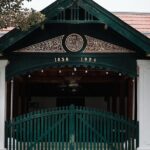
Mangkunegaran Palace is your first major stop, and it’s not a huge time commitment—about 2 hours—but it lands as a smart warm-up. You get admission included, and the palace is described as “small” yet packed with old collections and interesting royal storytelling.
The guide’s commentary here is the secret ingredient. You’re not just walking through rooms. You’re also learning the story of the royal family in Solo. That context matters later, because temples and sacred sites in Java don’t exist in a vacuum. When you understand how power and culture were shaped, the temple legends feel less random and more meaningful.
What to expect on the ground: you’ll want to stay alert during the palace stop, because it’s the most “information-dense” part of the early day. If you’re the type who likes to absorb facts while you walk, you’ll probably enjoy this stop a lot.
The only consideration: because it’s early in the day, you’ll want to be awake and ready to pay attention. If you’re already tired from travel or early plans, consider taking it a bit easier at the start.
Radya Pustaka Museum: antiques first, then temples
Before the sacred sites, the tour includes time at Radya Pustaka Museum to browse its antique collection. The museum stop functions like a reset button—different atmosphere, different pace, and a good way to break up the morning drive.
This stop is valuable even if you’re not a hardcore museum person. Antiques give you a feel for how objects, materials, and craftsmanship have long mattered in Java’s story. It also helps the day avoid that classic problem of temple tours: you reach the temples feeling like you’re only playing catch-up with facts in your head.
One practical takeaway: treat the museum as your buffer against the long day. You’re not running from one temple photo angle to the next. You get time to slow down, look around, and let the guide’s background fill in the blanks before you climb into temple history.
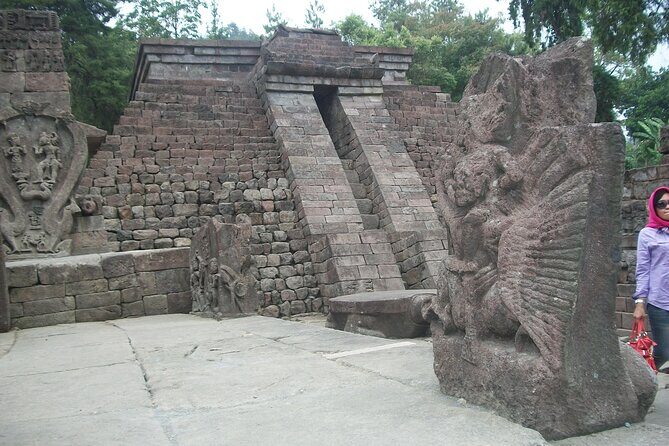
Sukuh Temple: unique Hindu design and story details that make sense
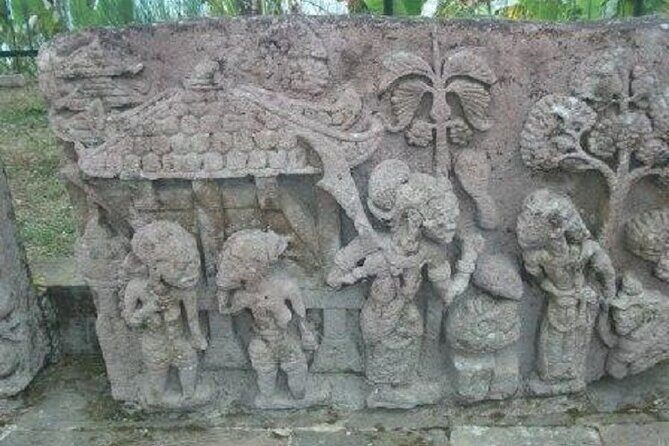
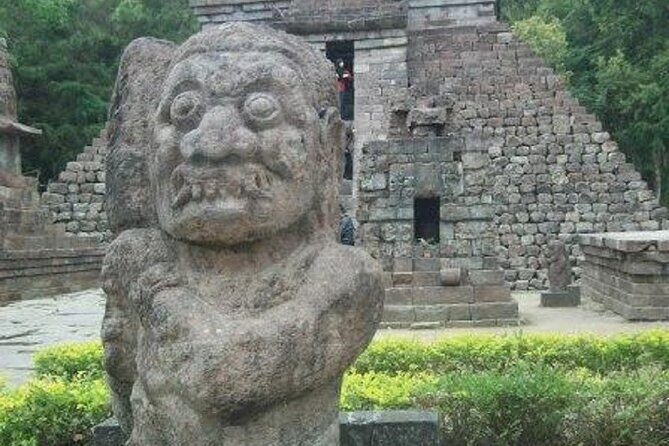
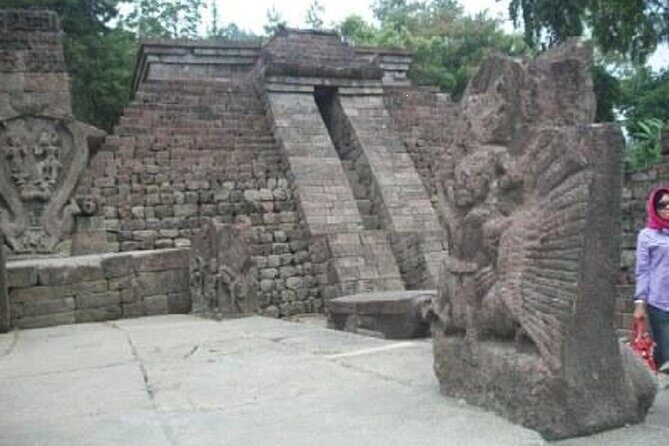
Sukuh Temple is one of the two main reasons to take this tour, and it’s scheduled for about 2 hours with admission included. The temple is described as a very unique Hindu site in Central Java, with characters and architecture that feel different from other temples on Java island.
That word unique is more than marketing. When a temple is described as different in both characters and architecture, it signals you’re likely to notice carvings and design choices that don’t follow the same patterns you might expect. This is where having a guide can save you time and confusion. You don’t have to know the language or the symbolism in advance. The guide’s job is to connect what you’re seeing with the broader story.
You’ll also get a decent visit window—two hours is enough time to look closely, not just rush through. In reviews, people really highlight enjoying the temples and the surrounding moments. That fits the schedule: you’re given time to actually be there.
If you’re the type who likes temples for architecture and symbolism, Sukuh is the stop where you’ll feel most “switched on.” If you’re more into panoramic views, you’ll still get something from Sukuh, but the schedule gives extra time later at Cetho.
Cetho Temple: the king’s enlightenment legend and time to appreciate views
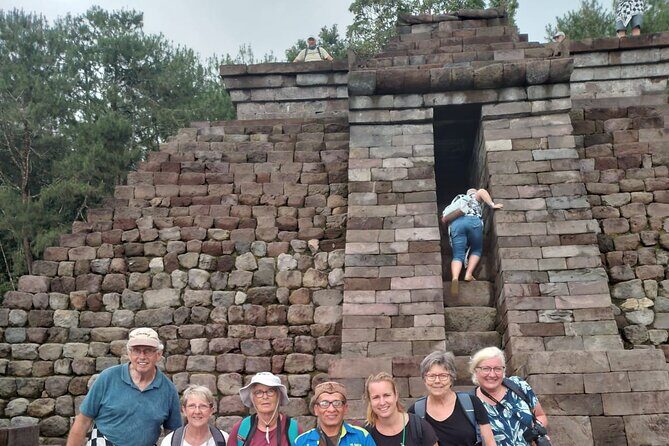
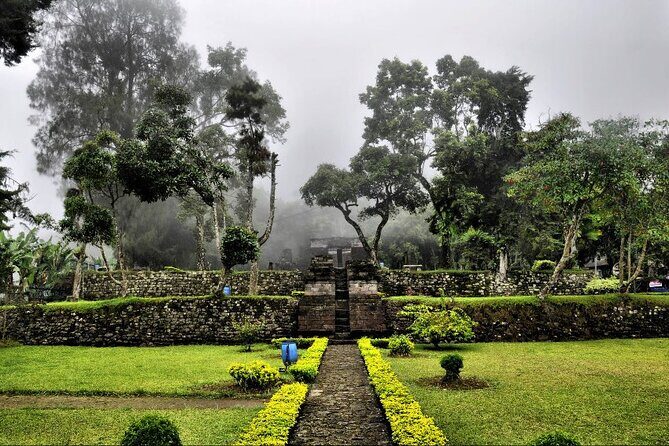
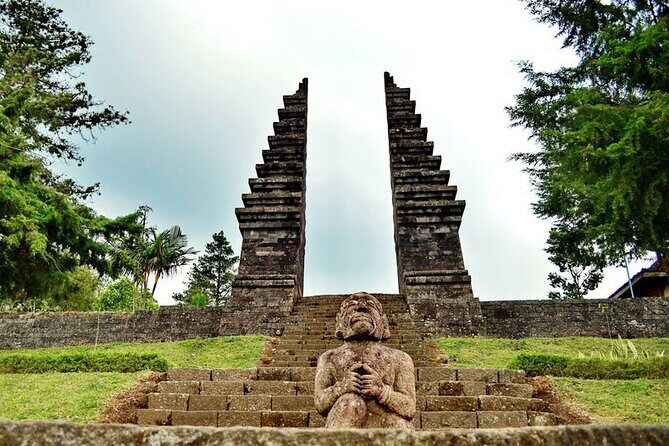
Cetho Temple comes next for about 3 hours, which is the longest temple block on the tour. Admission is included, and the temple is tied to beliefs about the last place for the king’s enlightenment—plus a story about disappearing from an enemy attack.
Even if you don’t connect with legends instantly, the structure of this tour helps you. You arrive with the day’s cultural context already started at Mangkunegaran Palace, and you’ve had a museum stop to shift your brain into looking-mode. By the time you reach Cetho, you’re more likely to read the place as more than a set of buildings.
This is also where the day gives you breathing room. Three hours means you’re not constantly rushing back to the car. People tend to appreciate the time to enjoy the temple atmosphere and the views that come with the stop.
My tip: don’t treat Cetho like a quick check box. Spend time lingering. The extra hour over Sukuh is there for a reason.


Guide and driver: why “small group” feels better on these routes
A lot of tours say small group. This one limits you to 12 people, and that changes the experience in practical ways. You’re not stuck waiting for a crowd to move from one viewpoint to the next. The guide can talk while people listen, instead of talking over constant interruptions.
The best part is the guide’s commentary. The day is designed so you get explanations at the palace and then at the temples, not just at one stop. The stop at Mangkunegaran Palace is specifically described as revealing the royal family story of Solo. Then you get illuminated commentary while you absorb the sacred splendor of both temples.
Then there’s the driver. In the experience feedback, people repeatedly call out that the guide and driver are amazing. On a day like this, that matters. You’re spending a long stretch traveling between sites, and a confident driver and organized schedule reduce the stress that can ruin a cultural day.
Practical note: the tour’s focus is sightseeing with explanation. If you want a pure freedom day where you wander alone with no structure, this isn’t that style.
Price and value: what $155.13 buys you (and what it costs you)
At $155.13 per person, this isn’t a bargain-basement outing. But you’re also buying a lot of “day-trip pain relief.”
Here’s what you get for that price, based on what’s included:
- Round-trip hotel pickup and transport
- Admission tickets included for Mangkunegaran Palace, Sukuh Temple, and Cetho Temple
- A small-group experience limited to 12 people
- A guide with commentary for the key cultural stops
- A mobile ticket setup
Now the trade-off: the day is long. You’re signing up for a 10–12 hour schedule and around 5–6 hours of driving. Time is part of the cost, even if you don’t pay for it directly.
So I think of this tour as best value if you want structure plus interpretation. If you prefer doing your own transport and you already know the temple background, you could potentially build a cheaper DIY day. But if you want the guide to connect what you’re seeing—especially in two temples that are described as distinct—you’re paying for convenience and clarity.
Who should book this Sukuh and Cetho temple day trip?
Book this if you like:
- Visiting lesser-visited feeling temple sites where you actually get time on location
- Temples for what they represent, not just what they look like
- A day with context: palace → museum antiques → temples
- A small group rather than a big bus situation
It also fits travelers with moderate physical fitness, since the day includes a lot of movement and walking at multiple sites.
Don’t book it if you absolutely hate long drives. This is not a quick outing. Reviews point out that it’s a long day with many hours traveling in the car, even if it feels worth it. If you’re easily fatigued, you’ll have to manage your energy carefully.
Should you book the Sukuh and Cetho tour?
If you’re in Yogyakarta and you want a day that feels more thoughtful than frantic, I’d lean yes. This tour is built around two temples that are described as unique and meaning-heavy, and the route adds context with Mangkunegaran Palace and Radya Pustaka Museum. The small-group size and included admissions plus transport make it a clean, low-stress way to do a long day right.
But if your ideal trip is short, flexible, and easy on the body, you should probably look at a different plan. This one trades comfort and time in transit for a fuller cultural arc.
FAQ
How long is the Sukuh and Cetho Temple Tour from Yogyakarta?
The tour runs about 10 to 12 hours.
Does the tour include hotel pickup and round-trip transport?
Yes. Round-trip transport from your Yogyakarta hotel is included, and pickup is offered.
How big is the group?
It’s a small-group tour limited to 12 people.
Are admission tickets included?
Yes. Admission is included for Mangkunegaran Palace, Sukuh Temple, and Cetho Temple.
What temples do you visit?
You visit Sukuh Temple and Cetho Temple.
Is Radya Pustaka Museum part of the day?
Yes. The tour includes a stop at Radya Pustaka Museum to browse its antique collection.
How physically demanding is the tour?
It’s suitable for people with moderate physical fitness.
Do I get a mobile ticket?
Yes. The tour uses a mobile ticket.
Is it refundable if I cancel?
Yes. There is free cancellation and you can cancel up to 24 hours in advance for a full refund.
If you tell me your travel dates and whether you’re doing other day trips from Yogyakarta, I can help you decide if this long car day fits your schedule.