REVIEW · HISTORICAL TOURS
Kotagede Yogyakarta Heritage Walk Tour
Book on Viator →Operated by Lawang Pethuk Kotagede · Bookable on Viator
Small streets, big royal secrets. Kotagede’s heritage walk is built around living culture, not museum talk, with a community-led guide and a slow, meaningful route through royal tombs, homes, and craft-making. I especially like the chance to see Mataram royal cemetery traditions up close, and the practical way the tour connects everyday life with old power.
One thing to plan for: this is an outdoors-style walk, and Kotagede weather can swing hot and sunny or damp and rainy. Bring water and a simple plan for shade, because even a short tour can feel long in the sun.
In This Review
- Key highlights to look for
- Kotagede on Foot: Why a 2–3 Hour Heritage Walk Works
- Mataram Kings Cemetery and Masjid Gedhe Mataram
- Between Two Gates: Traditional Houses and the Meaning of rukunan
- Pasar Legi Kota Gede: Where Daily Life Meets Jamu
- Jamu Making and a Silversmith at Work
- Community-Run Tourism: What Makes This Tour Feel Different
- Price and Value: Is $35 Worth It?
- Practical Tips: Timing, Heat, and How to Prepare
- Who This Tour Suits Best
- Should you book the Kotagede Heritage Walk?
- FAQ
- How long is the Kotagede Yogyakarta Heritage Walk?
- What’s the group size for this tour?
- What does the tour include?
- Is Javanese dress provided?
- When does the tour run and where do I meet?
- What’s the cancellation policy?
Key highlights to look for
- Max 10 travelers for a small-group feel and real conversation
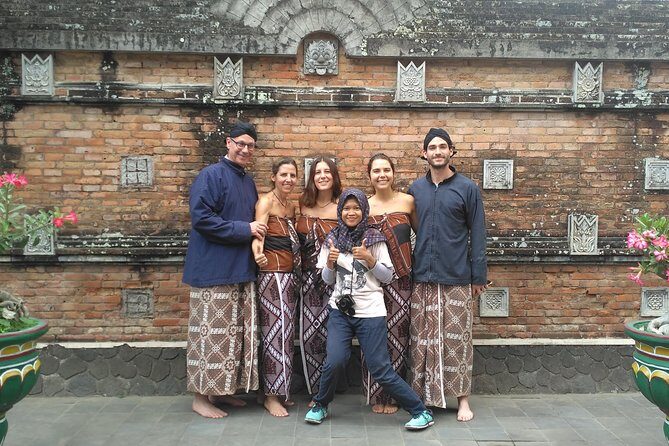
- Mataram Kings Cemetery where Javanese dress is provided for certain parts
- Between Two Gates homes showing how everyday neighbors live side-by-side through rukunan
- Pasar Legi Kota Gede as a working market where you see ingredients and street-level food culture
- Jamu making and a silversmith at work so you don’t just hear about tradition
- A traditional snack stop that breaks up the walk in a local way
Kotagede on Foot: Why a 2–3 Hour Heritage Walk Works
Kotagede is one of those Yogyakarta-area places where you can feel history without needing giant monuments to prove it. This walking tour is intentionally short—about 2 to 3 hours—so you can focus on details rather than rushing to fit in everything.
For me, the best part is the pace. You’re moving through neighborhoods and into meaningful stops, but the schedule still leaves enough time to ask questions, look closely, and actually notice how people live today. The experience is also capped at 10 travelers, which matters because small groups make the guide’s explanations easier to follow (and less lecture-like).
At $35 per person, it’s not a budget street-food crawl. But it is good value for what’s included: admissions at key stops, a guide from the community, and cultural access you wouldn’t get on your own. If you want a more personal version of Yogyakarta culture, this is a strong bet.
Other Malioboro and city tours in Yogyakarta



Mataram Kings Cemetery and Masjid Gedhe Mataram
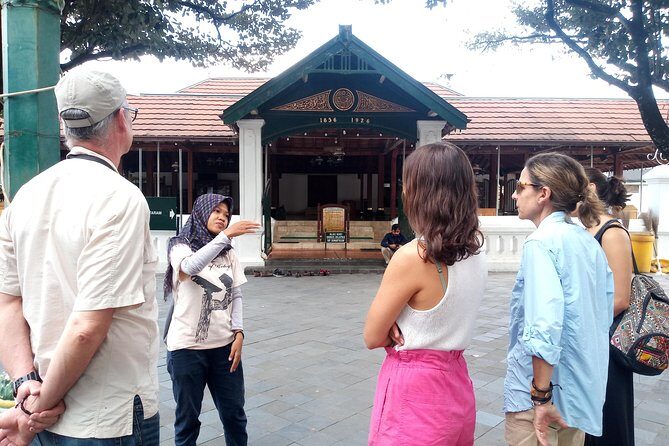
The tour starts in Kotagede’s royal zone, at Mataram Kings Cemetery Kotagede. This is where you see the area’s historical importance with your feet on the ground, not behind a fence and a blurry plaque.
A key moment here is the special Javanese dress provided for the cemetery segment. Wearing traditional clothing isn’t just a photo prop; it signals respect and helps you understand that this is a space with rules, meaning, and ceremony. I like tours that treat dress like part of the cultural context, not like a costume you check off.
You’ll also be in the same cemetery area as Masjid Gedhe Mataram, described as the oldest mosque in Yogyakarta. Even if you only catch glimpses, it helps anchor the story: these places weren’t developed as separate worlds. They sit side by side, shaping how the community understands faith, authority, and heritage.
Practical note: cemetery areas often involve standing, walking slowly, and shifting between shaded and sunny spots. If you’re sensitive to heat, this is the segment where you’ll feel it first.
Between Two Gates: Traditional Houses and the Meaning of rukunan
Next you’ll move into a quieter, lived-in part of Kotagede at Between Two Gates. This stop focuses on traditional houses that are still lived in, so you see a key reality: heritage isn’t always something restored and emptied. Often it’s something maintained by daily routines.
You’ll learn about rukunan, a term connected to how Javanese residences are arranged around harmony and neighbor agreements. In plain terms, it’s the idea that community relationships are part of the architecture, not an afterthought. You can spot it in how people settle into their space and how households relate to shared boundaries.
This stop also includes time for a traditional snack, which is a smart break point in a walking tour. It keeps the experience human and grounded—food is often the easiest entry into local values. One guide strongly emphasizes that this snack moment feels like more than a bite; it’s part of understanding everyday life in Kotagede.
One consideration: because these are active homes, expect a respectful vibe and follow the guide’s cues. The most satisfying moments here are when you slow down and observe how families manage space, not when you try to rush for angles.
Pasar Legi Kota Gede: Where Daily Life Meets Jamu
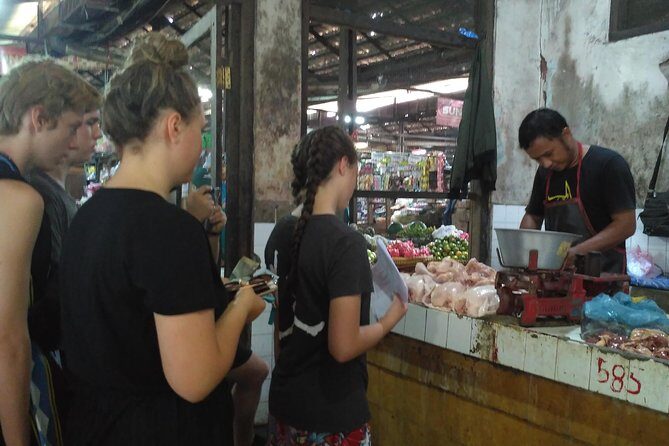
After stepping through home life, you head into Pasar Legi Kota Gede, the local market commonly described as one of the oldest in southern Java. This is where heritage turns practical: you see the ingredients, the rhythms, and the textures of what people buy and cook.
This market stop is built around the kinds of things you’d expect from a serious local market: food and snacks, fruit and vegetables, herbs, and kitchen supplies. You’re not just passing by stalls; you’re learning what’s important and what connects the market to the wider Kotagede identity.
The big cultural payoff here is jamu. You’ll see the process of jamu making, which matters because jamu isn’t just a drink you buy. It’s a tradition tied to remedies, seasonal needs, and knowledge that gets carried through generations. Seeing jamu production in a market setting helps you understand why it’s still relevant: it belongs to everyday people, not just tradition enthusiasts.
Market stops can be a little more chaotic than the cemetery or home segment, so keep your camera ready but your attention on the guide. The best photos tend to happen when you watch first—how people move, how items are prepared, and how the work is done.
Jamu Making and a Silversmith at Work
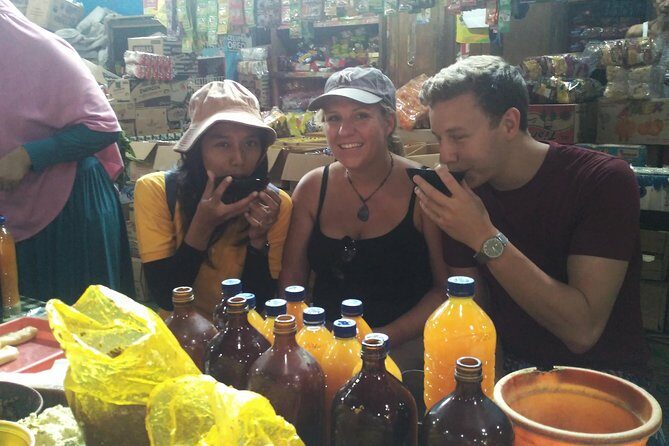
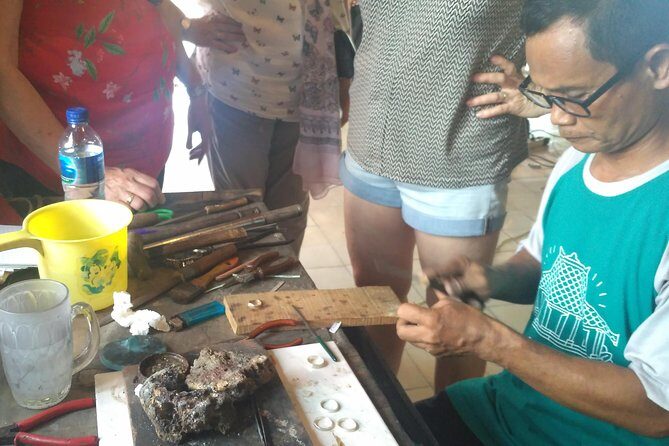
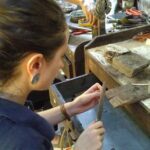
The tour’s highlights go beyond the three main stop themes by building in craft demonstrations. You’ll watch jamu herbal medicine being made and also see a silversmith in action.
This is one of those choices that pays off later when you’re trying to explain what you saw. Cemeteries and houses tell you about the past. Jamu and silver work tell you what people still value today—hands-on skills, local ingredients, and methods that travel slowly through time.
A silversmith demo is especially useful in Kotagede because the region’s heritage isn’t only about stone and ceremony. It’s also about making objects carefully and repeatedly until quality becomes standard. Even if you don’t know metalwork terms, you can still learn a lot by watching the process: tools, timing, steady hands, and how artisans think about detail.
If you’re the type who likes taking photos, this part can be your best lighting opportunity. But don’t just shoot. Listen for the guide’s explanations of what’s being made and why certain steps matter.
Other Kotagede heritage tours in Yogyakarta

Community-Run Tourism: What Makes This Tour Feel Different
This walk isn’t built like a big-bus tour with a script. It’s run by the community for the community, and that shows in the tone of the experience.
When your guide is local, the explanations tend to connect to real life. You don’t just get historical facts; you get the practical meaning behind them: why a space is treated a certain way, how a household layout supports social harmony, and why market knowledge still matters.
The small group size—maximum 10 travelers—helps a lot here. You’re more likely to ask questions and get direct answers instead of hearing everything at full volume while walking. In one of the tour guide reflections, Upik is praised as kind and enthusiastic about sharing local culture and history, and that energy is exactly what makes this style of tour worth it. When a guide cares about their neighborhood, you can feel it in how they pace the walk.
Here’s the balanced view: community-run doesn’t automatically mean perfect logistics. You might experience moments where the route and timing reflect local realities rather than a schedule engineered for convenience. For most people, that’s a good trade. It’s how you end up seeing real life instead of a staged version.
Price and Value: Is $35 Worth It?
At $35 per person, you’re paying for a guided experience that includes real access and some built-in value. Based on what’s stated, the tour includes admission tickets for key stops, plus cultural elements like Javanese dress for the cemetery segment.
You also get more than “look and go.” You get explanation time, craft and remedy context (jamu and silversmith), and a market segment that’s meant to teach you how to see, not just where to stand. That combination usually costs more than people expect in cities where guides rely mostly on quick commentary outside storefronts.
So yes, it’s paid. But it’s also doing something practical: it helps you understand Kotagede’s heritage in a way you can carry home. If you’re the type who likes thoughtful walking tours and small-group cultural access, $35 feels like a fair price.
If you’re only looking for fast sightseeing with minimal talking, you might decide you’d rather spend that money on food or self-guided exploring. But if culture and context matter to you, this is strong value.
Practical Tips: Timing, Heat, and How to Prepare
This tour runs in the morning, with opening hours listed as 8:00 AM to 11:30 AM. That’s a big deal in Kotagede, because walking in the middle of the day can be punishing.
Even with a morning start, plan for hot weather. One guide reflection notes the heat but also that people still enjoyed the tour—so it’s not a dealbreaker. Just don’t show up like you’re going to a cool café. Bring water, and if you can, dress for airflow.
Rain can also happen, and when it does, you’ll want a light rain layer or umbrella you can manage during walking. This tour is short, but surfaces and paths still matter.
On logistics: the tour uses a mobile ticket, and you meet at a specific starting point on Jl. Masjid Besar No.905, Sayangan, Jagalan, Kec. Banguntapan area. It ends at Lawang Pethuk Kotagede near Jl. Alun-Alun Utara. That end point is useful because it puts you back near the public square area where you can easily continue your day.
Who This Tour Suits Best
This is a great fit if you want:
- A small-group heritage experience with real guiding
- Cultural context for things you might otherwise miss (like rukunan and cemetery traditions)
- Hands-on craft and remedy exposure through jamu and a silversmith demo
- A morning activity that doesn’t eat your whole day
It’s less ideal if you dislike walking, don’t want any cultural explanations, or prefer large landmark photo stops. The tour is built around neighborhoods and traditions, so your enjoyment will depend on whether you like “slow noticing” more than “big sights.”
Should you book the Kotagede Heritage Walk?
If you want Kotagede with a human voice—someone from the community explaining what you’re seeing—this tour is worth booking. The combination of royal cemetery access, traditional homes, a market jamu experience, plus a silversmith at work gives you a full picture of why Kotagede still matters.
Book it especially if you appreciate thoughtful small groups. With a cap of 10 travelers, you’ll get a better chance to understand the places you pass through and ask questions along the way. If you’re flexible on weather and dress respectfully at cultural sites, you’ll get a satisfying, memorable walk without feeling rushed.
FAQ
How long is the Kotagede Yogyakarta Heritage Walk?
It typically lasts 2 to 3 hours.
What’s the group size for this tour?
This experience has a maximum of 10 travelers.
What does the tour include?
You’ll visit the Mataram Kings Cemetery, explore traditional houses (including a snack stop), and go to Pasar Legi Kota Gede. The experience also includes seeing jamu herbal medicine being made and a silversmith in action. Admission tickets are included for the stops listed.
Is Javanese dress provided?
Yes. Javanese dress is provided for the cemetery segment.
When does the tour run and where do I meet?
The tour is listed as running Monday–Sunday from 8:00 AM to 11:30 AM, and the meeting point is at Jl. Masjid Besar No.905, Sayangan, Jagalan, Kec. Banguntapan, Kabupaten Bantul. The tour ends at Lawang Pethuk Kotagede near Jl. Alun-Alun Utara.
What’s the cancellation policy?
You can cancel for a full refund up to 24 hours in advance of the experience start time. If you cancel less than 24 hours before, the amount paid is not refunded.