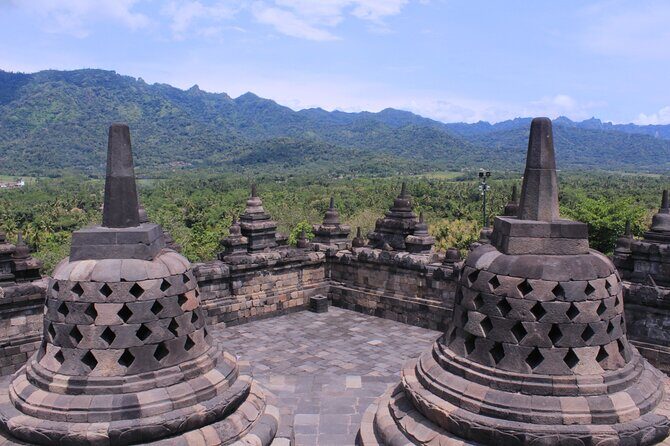
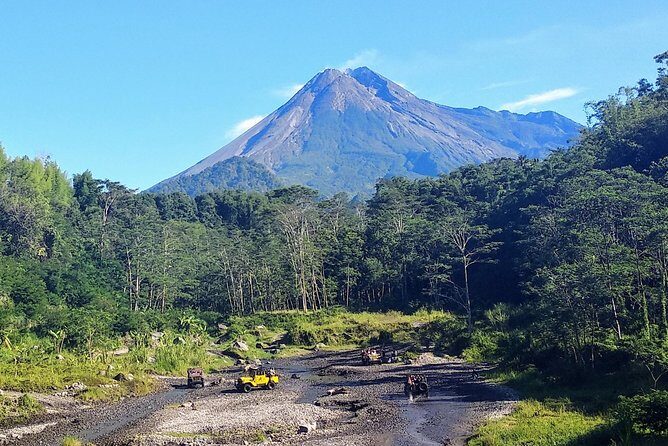
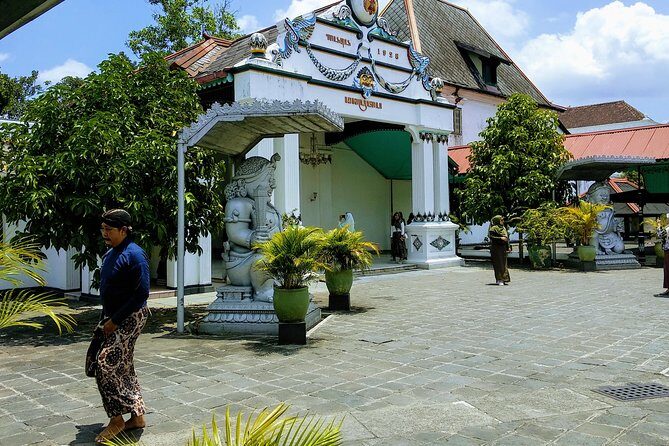
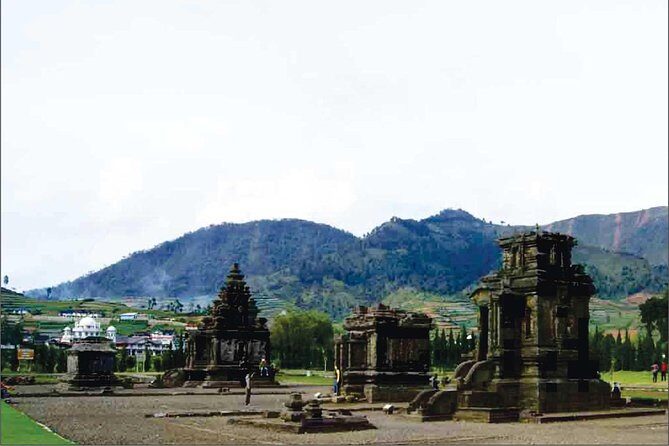
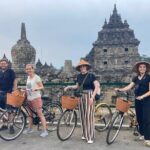
A day like this turns temple hopping into a real route with stories you can read in the stone. This Yogyakarta tour focuses on less-touristed temples—so you spend more time looking closely and less time sidestepping crowds. I also really like the English-speaking driver-guide setup, because you can ask questions on the spot and keep the day flowing smoothly.
The itinerary is built around 9th-century sites, including an underground Hindu temple and a Buddhist complex with moral reliefs. One thing to consider: it’s a full 10-hour push starting at 8:00 AM, and the tour is scheduled for “good weather” days—so plan for heat, sun, and some walking up temple areas.
In This Review
- Key highlights you’ll feel from the start
- Why this 10-hour Yogyakarta temple route feels quieter
- Price check: what $45 per person really buys
- Morning logistics: 8:00 AM start and how to plan your day
- Stop 1: Sambisari Temple and the surprise of an underground Hindu site
- Stop 2: Candi Banyunibo—Buddhist ruins found again in 1940
- Stop 3: Ijo Temple—hilltop Hindu views over Yogyakarta
- Stop 4: Barong Temple and Medang Kingdom links
- Stop 5: Sojiwan Temple reliefs with moral teachings
- Stop 6: Plaosan Temple—Hindu and Buddhist harmony in one complex
- What the English-speaking driver-guide adds (and why it matters)
- Who this tour fits best
- Small “make it easy” advice before you go
- Should you book this off-the-usual-track temples tour?
- FAQ
- What is the duration of the tour?
- When does the tour start?
- How many temples are included?
- Is this a private tour?
- Is pickup included?
- Are admission tickets included?
- What language is the guide?
- What ticket format do I need?
- What happens if the weather is poor?
- What’s the cancellation policy?
Key highlights you’ll feel from the start
- A quiet, off-the-main-route temple day: the schedule is designed so many stops feel uncrowded.
- 9th-century archaeology, in real places: you’re not just touring facades; you’re looking at how these sites were built and rediscovered.
- Underground and rediscovered temples: Sambisari and Candi Banyunibo add an extra layer of intrigue beyond the usual ruins.
- Hilltop payoff at Ijo Temple: the views are part of the experience, not an afterthought.
- Buddhist reliefs with practical moral lessons: Sojiwan’s carved teachings connect to everyday life.
- Private tour feel, with pickup and flexible drop-off: it’s only your group, and meeting points can be arranged in advance.
Why this 10-hour Yogyakarta temple route feels quieter
Most temple days in Yogyakarta follow the same few tracks. This one intentionally spreads you across six sites that don’t get the same mass attention, which changes the whole mood. You’ll spend more time studying carvings, noticing building styles, and taking photos without a constant crowd-pressure rhythm.
The “quiet” part is also practical. Each stop is allocated about 1 hour 30 minutes, so you’re not racing. That matters at places like Ijo, where the setting on a hill makes people want to linger for views and angles. It also helps at smaller complexes where the details are the point.
And since it’s a private tour for your group, the pace can stay human. You’re not stuck with a one-size-fits-all schedule that ignores how fast you read signs or how often you stop to look.
Other Malioboro and city tours in Yogyakarta


Price check: what $45 per person really buys
At $45 per person for a 10-hour day, the value comes from the mix of time plus included admissions. Every stop lists an admission ticket included, which prevents the “cheap tour” trap where you later learn you’ll pay again and again.
You’re also getting transportation as part of the experience, with pickup offered and the option to customize pickup and drop-off locations if you tell the provider in advance. That flexibility is a real money-saver in Yogyakarta, because getting between sites on your own can mean extra planning and more time spent coordinating.
One more value point: an English-speaking driver who can also act as a guide. You’re not paying only for driving—you’re paying for interpretation that helps you understand why each temple looks the way it does and what period it belongs to.
Morning logistics: 8:00 AM start and how to plan your day

The tour starts at 8:00 AM, and it runs about 10 hours. That early start is often the difference between a calmer experience and a harsher one later in the day, especially around open-air temples.
You’ll also have a mobile ticket, which is handy because it keeps your paperwork simple. Meeting points are near public transportation, which is useful if you’re meeting the group from somewhere close rather than needing a complex plan.
The biggest practical advice: set expectations for a full day. Even with 1.5 hours per stop, you’ll still be doing repeated transitions—getting in and out of the vehicle, moving between temple entrances, and dealing with uneven ground. If you like steady walking and you don’t mind a long day, this format fits.
Stop 1: Sambisari Temple and the surprise of an underground Hindu site
Your first major moment is Sambisari Temple, an underground Hindu temple dating to the 9th century. It was built by Rakai Grung, king of the era, and that single detail changes how you experience the place. Instead of seeing a “top-of-the-hill” structure, you’re facing the idea of a sacred space designed to be hidden and protected.
The time here is set at about 1 hour 30 minutes, which is enough to see beyond the headline. Look for how the site is arranged and how the layout supports the sense of enclosure. Underground temples also tend to make you slow down—everything feels closer, and you naturally focus on carvings and structure rather than broad panoramic shots.
Potential drawback: since it’s underground, the vibe is more enclosed than hilltop temples. If you strongly prefer open views, this is the stop where you’ll want to adjust your expectations and focus on stonework and atmosphere instead.
Stop 2: Candi Banyunibo—Buddhist ruins found again in 1940
Next comes Candi Banyunibo, a Buddhist temple built in the 9th century during the Ancient Mataram era. What makes it fascinating is its rediscovery in 1940, when the temple was found in a collapsed condition and covered under the ground.
This stop rewards curiosity. You’ll get a lesson in how archaeology works in the real world: a site isn’t always visible at the start, and the process of uncovering can affect what you see today. Spend your time noticing what’s present now and thinking about what had to survive burial and collapse.
If you like sites with a “how did we learn this existed?” layer, this is a strong one. It’s also a nice contrast after Sambisari. One is a Hindu space with a deliberate underground presence; the other is Buddhist ruins revealed later through rediscovery.


Stop 3: Ijo Temple—hilltop Hindu views over Yogyakarta
Ijo Temple brings you to a classic Yogyakarta viewpoint situation, but with an extra twist: it’s described as the highest temple in Yogyakarta, built in the 9th century. It’s a Hindu temple located on a hill, and the setting is part of the attraction.
This is where your eyes need time to adjust. You’re going from temple details to a wide view. Use the 1 hour 30 minutes wisely: spend a portion looking at the temple itself, then step back to take in the city view from the hill.
Possible consideration: because it’s hilltop, you should plan for uneven ground and some climbing depending on where you park and walk. The tour is built for most people, but if you have mobility limits or hate stairs, this is the stop to pay attention to.
Stop 4: Barong Temple and Medang Kingdom links
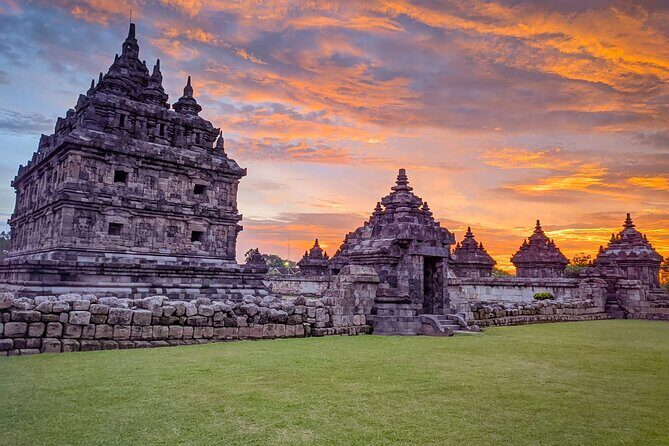
Barong Temple takes you into the Medang Kingdom world during the Mataram period. It’s thought to have been built around the 9th and 10th centuries AD, and it’s described as a relic connected to that broader era.
This stop is less about one dramatic “wow view” and more about understanding regional connections—why a temple belongs to a kingdom and how that shows up in style and placement. The site was rediscovered in the beginning of the 20th century, which again gives you a “found again” feeling similar to other rediscovered places on the day.
Drawback to keep in mind: Barong’s story here is more historical framework than “big sweeping photo moment.” If you’re the type who wants constant scenery, Ijo might be the bigger visual payoff.
Stop 5: Sojiwan Temple reliefs with moral teachings
At Sojiwan Temple, the focus shifts to Buddhist design details. It was built between 842 and 850 M, and there are around 20 reliefs at the foot of the temple. The reliefs are described as telling Buddhist moral teaching value that still feels relevant today.
This is one of the most meaningful stops for people who enjoy reading what’s carved rather than just photographing structures. If you’re into the “why” behind religious art, reliefs are where that lives. The 1 hour 30 minutes here is exactly what you want—enough time to look at the reliefs and connect them to the way you think about behavior and teaching.
Practical tip: give yourself a moment to slow down. Reliefs need closer viewing, and it’s easy to burn through time quickly if you move too fast.
Stop 6: Plaosan Temple—Hindu and Buddhist harmony in one complex
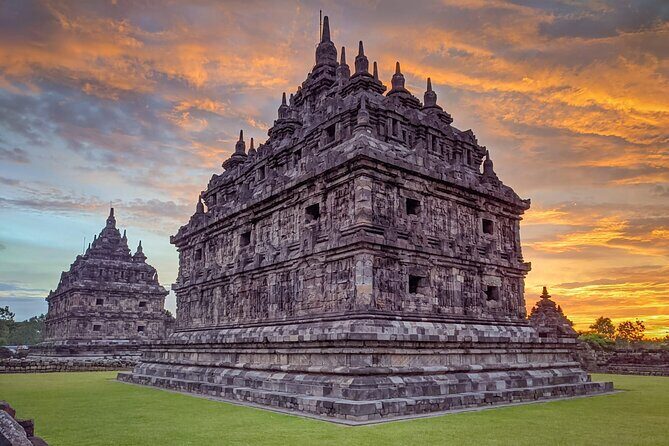
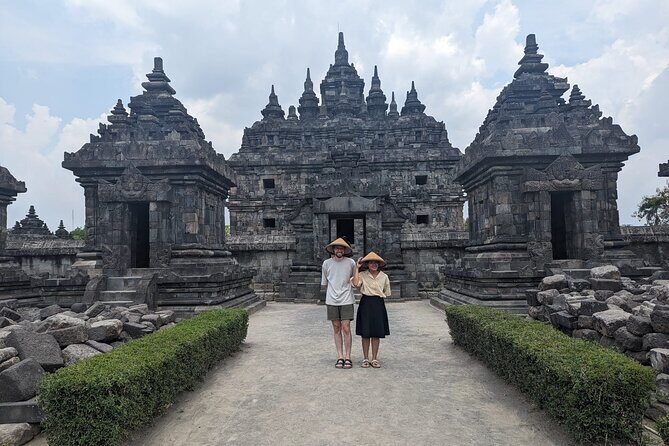
The last stop is Plaosan Temple, described as a combination of Hindu and Buddhist temples in one location. It’s presented as a symbol of harmonization and tolerance over a long time, and it also has connection between Prambanan and Buddhist Temple traditions.
This is a great ending because it ties together the day’s theme: the temples aren’t just separate stops. They show how different religious expressions can exist within shared geography and time periods.
The 1 hour 30 minutes here is your chance to zoom out mentally. After seeing Sambisari, Banyunibo, Ijo, Barong, and Sojiwan, Plaosan lets you compare design language and thematic messaging—Hindu and Buddhist elements in the same site.
If you like closure, this stop gives it. You’ll leave with a sense that the day was not random temple chasing—it was a route with clear connections.
What the English-speaking driver-guide adds (and why it matters)
A driver who can also guide changes how you experience temple sites. Without that, you often end up with a quick look, a few photos, and a vague sense of where everything fits. With an English-speaking guide on board, you can ask about dates like the 9th-century references, and you can connect temple features to the periods they come from.
It’s also helpful for timing. When you can ask what to focus on and how long to spend in each area, you get the best use of those 1 hour 30 minute blocks. That’s one reason this route earns strong ratings for people who care about architecture and archaeology.
Who this tour fits best
This is a smart match if:
- you like architecture details and want to understand what you’re seeing, not just check boxes
- you prefer fewer crowds and a slower temple pace
- you want a structured day without having to plan transport between scattered sites
It may feel less ideal if:
- you hate long days or early starts
- you want mostly panoramic scenery all the way through (because the day includes underground and relief-focused stops)
Small “make it easy” advice before you go
- Bring sun protection. Even with morning timing, the day is long.
- Wear shoes that can handle temple surfaces and uneven ground.
- Keep your phone charged for the mobile ticket and photos.
- If pickup and drop-off flexibility matters to you, decide your meeting point early and communicate it ahead of time.
Should you book this off-the-usual-track temples tour?
If you’re choosing between a standard temple route and something that spends real time at six distinct 9th-century sites, I’d lean toward this one. The included admission across multiple stops, the private-group feel, and the English-speaking driver-guide make the $45 price feel practical rather than gimmicky.
Book it if you want a calmer day, better explanations, and a finish at Plaosan that helps the temples feel connected. If you only want a quick hit of famous viewpoints or you strongly dislike long schedules, you might prefer a shorter, more single-area plan.
In short: this is best when you care about meaning and detail—and you’re okay with a full day to get it.
FAQ
What is the duration of the tour?
The tour runs about 10 hours.
When does the tour start?
The start time is 8:00 AM.
How many temples are included?
There are six stops: Sambisari Temple, Candi Banyunibo, Ijo Temple, Barong Temple, Sojiwan Temple, and Plaosan Temple.
Is this a private tour?
Yes. It’s private, so only your group participates.
Is pickup included?
Pickup is offered, and pickup and drop-off can be customized if you inform the provider in advance.
Are admission tickets included?
Yes. Admission tickets are included for each stop.
What language is the guide?
You’ll have an English-speaking driver, and the driver can also act as a guide.
What ticket format do I need?
You’ll use a mobile ticket.
What happens if the weather is poor?
The experience requires good weather. If it’s canceled due to poor weather, you’ll be offered a different date or a full refund.
What’s the cancellation policy?
You can cancel for free up to 24 hours in advance for a full refund. If you cancel less than 24 hours before the start time, the amount paid is not refunded.