REVIEW · BATIK & CRAFT CLASSES
Traditional Javanese Archery Class
Book on Viator →Operated by Alga Lova Tour · Bookable on Viator
Seated archery sounds odd. It’s also one of the most memorable ways to meet Yogyakarta’s cultural side through Jemparingan practice. I like how the lesson ties technique to the old role of this style in the Kraton of Yogyakarta, and I also like that instruction comes from a professional archer who was a national athlete from Yogyakarta.
The biggest catch is simple: this is a sitting-position archery technique, so you’ll want a moderate fitness level and some patience for learning a very specific posture. Also plan around weather, since the activity needs good conditions.
In This Review
- Key things I’d focus on before you go
- Jemparingan in plain terms: what you’re actually learning
- The Prambanan pickup setup: easy to find, short walk logistics
- Meet the instructors: Mr. Agung and a national-level archer
- The class flow at Jemparingan Place: learn, practice, repeat
- Why the sitting stance matters for accuracy and culture
- What about the environment and weather?
- Time, group size, and how long it really takes
- Price and value: why $27 can be a good deal here
- What to bring and how to prepare (based on the class needs)
- Mobile ticket and quick confirmation: low-stress booking
- Who this Jemparingan class is best for
- Should you book it? My practical take
- FAQ
- Where is the Traditional Javanese Archery Class held?
- How long does the class last?
- How much does it cost?
- What’s the maximum group size?
- Do I get a mobile ticket?
- How soon do I find out my booking is confirmed?
- Is the class affected by weather?
- What’s the cancellation policy?
- What fitness level do I need?
Key things I’d focus on before you go
- A traditional sitting stance (Jemparingan), not normal archery form
- A history-to-practice flow, including the philosophy explained by Mr. Agung
- Small group size with a max of 10 travelers
- A pro-level instructor, a national athlete from Yogyakarta
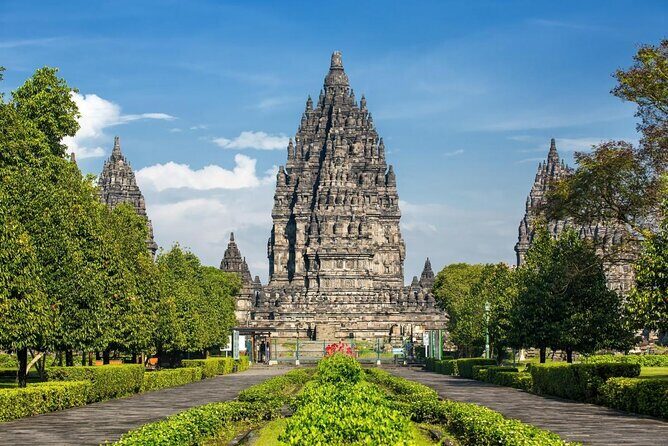
- Start near Prambanan’s parking area, then move to the Jemparingan place
Jemparingan in plain terms: what you’re actually learning
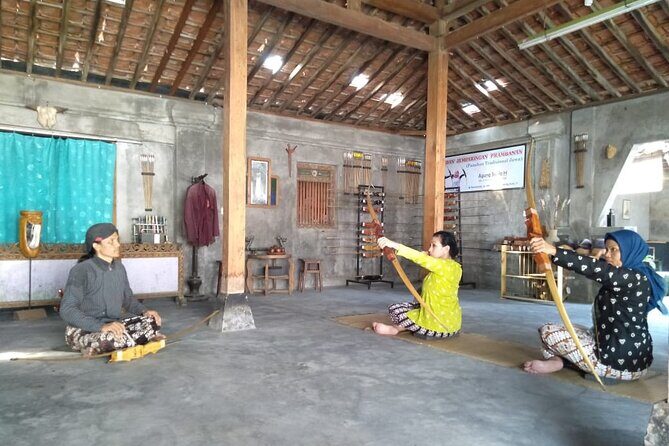
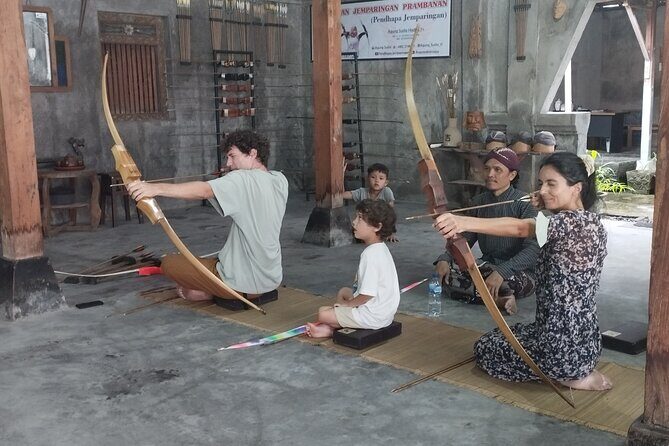
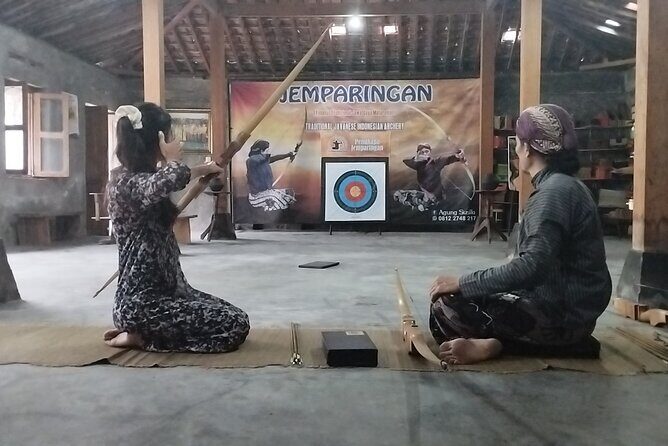
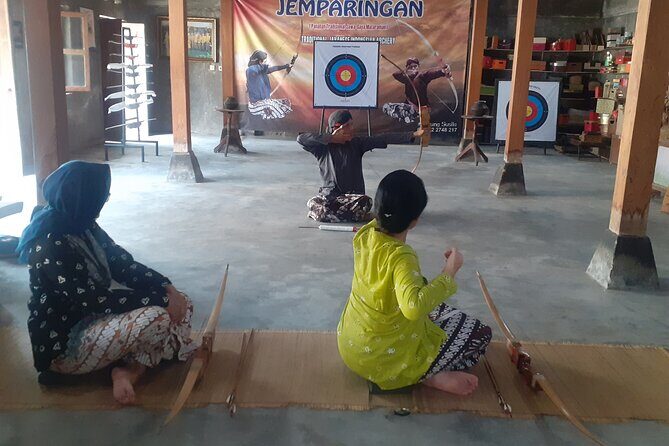
This class is built around a very specific kind of archery practice called Jemparingan, and the first thing you’ll notice is the posture. Instead of standing and shooting in the usual way you might expect, you’ll learn the sitting-position technique that’s part of how this tradition was used in the Kraton of Yogyakarta.
That difference matters. With a sitting stance, you can’t rely on moving your whole body the way you might in modern target shooting. Your accuracy comes more from how your body is set, how you hold and control the tool, and how you keep your form consistent shot after shot. In other words, it’s not just the thrill of shooting—it’s the discipline of doing it the Javanese way.
You’ll also get the cultural layer, not as a side note. Mr. Agung provides information and philosophies tied to the technique position, so you’re not just copying steps. You’re learning why the posture exists and what it connects to in local tradition.
Other batik and craft classes in Yogyakarta
The Prambanan pickup setup: easy to find, short walk logistics
The tour begins at the Prambanan Temple’s parking area. Your accredited guide meets you there and then accompanies you to the Jemparingan place for the lesson. If you’re the kind of traveler who hates complicated meeting points, this is refreshingly straightforward: you show up at the parking area, and the guide handles the rest.
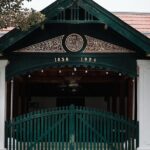
The activity ends back at the meeting point. Your start location is listed as Pendhapa JemparinganCageran, Tamanmartani, Kalasan, Sleman (Yogyakarta), so the flow is basically: meet at Prambanan parking → go to the teaching spot → return.
Two practical details to keep in mind:
- The start is tied to Prambanan’s parking area, so give yourself a little buffer if you’re using local transport and traffic is busy.
- The class is short—about 1 to 2 hours—so you don’t want to build a second plan that depends on you arriving exactly on the minute.
Meet the instructors: Mr. Agung and a national-level archer
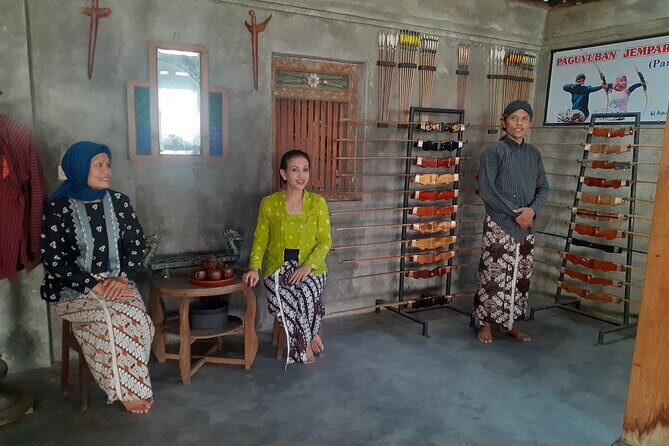
What makes this class feel legit is the mix of roles. Mr. Agung provides the deeper explanations—especially the Javanese philosophies connected to the technique position. That helps the class move beyond “look, aim, shoot” into something that feels like cultural practice.
Then you’ll have a trainer who is a professional traditional Javanese archer. The information provided says he was one of the national athletes from Yogyakarta. That’s important for you, because it usually means two things in a hands-on class:
- You’ll get real coaching on proper handling and form (not just general tips).
- You’re less likely to be left to guess what to do next.
Even if you’ve shot archery before, you’ll likely still benefit from the coaching. The sitting stance changes everything about balance and shot rhythm.
The class flow at Jemparingan Place: learn, practice, repeat
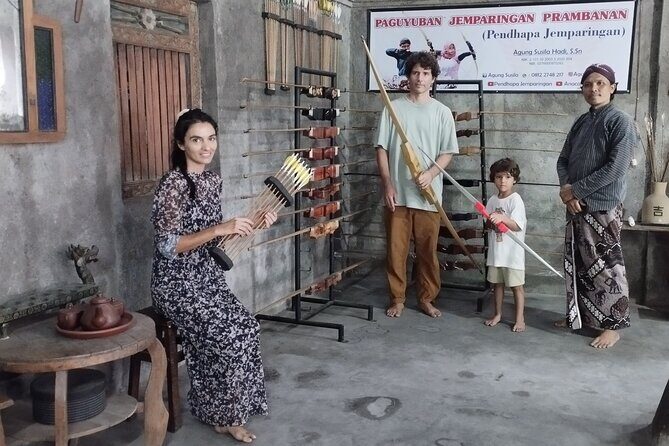
Once you arrive at the Jemparingan place, the activity starts with an introduction to traditional Javanese archery. You’ll get guidance on how to use the traditional tools properly and how to execute the shooting technique in the sitting posture.
From there, the lesson is set up so you can actually practice. The format is built for learning, not just watching. With a max group size of 10 travelers, you’re more likely to get personal attention and corrections, especially with something as specific as posture-based shooting.
Here’s what I’d expect the class to feel like:
- Early on, you focus on getting the seated position right.
- Then you practice the motions and tool handling with attention to proper use.
- By the end, you should have a better sense of how consistency feels in Jemparingan—how you set yourself before each attempt.
Because the class is small and time is limited, it’s a good idea to arrive mentally ready. Don’t plan on treating the lesson like a casual stroll. It’s short, but it’s hands-on.
Why the sitting stance matters for accuracy and culture
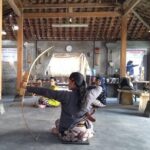
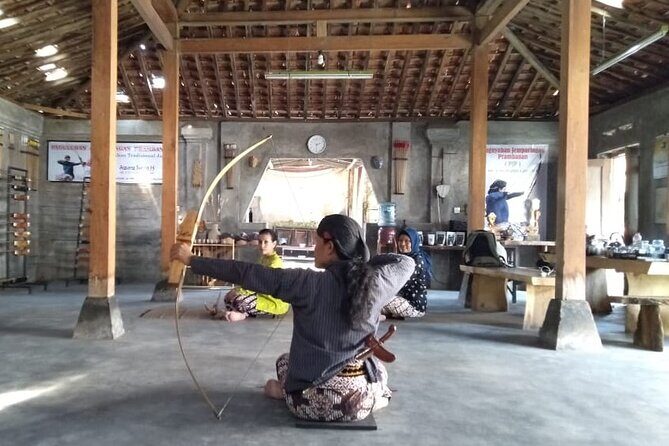
Jemparingan’s signature is the sitting position. That’s not just a visual quirk—it shapes the whole mechanics of the shot. When you sit, your upper body alignment, your controlled breathing, and your tool handling have to do more work. You don’t get the same kind of balance correction that you might have standing.
The class also frames this technique with context: it was used by sniper or guardian roles in the Kraton of Yogyakarta, and today it’s preserved as cultural practice. When you hear that connection, the training stops feeling like a novelty and starts feeling like a real tradition with a purpose.
Mr. Agung’s philosophy explanations are the part people usually remember, because it changes how you interpret what you’re doing. Instead of thinking only about targets, you start thinking about posture, intention, and disciplined control.
A few more Yogyakarta tours and experiences worth a look

What about the environment and weather?
This activity requires good weather. That’s not a throwaway line. If conditions are poor, the class can be canceled. If that happens, you’ll either be offered a different date or a full refund.
So what should you do?
- Check the forecast the day you plan to go.
- Have a flexible plan for that time window if you can.
- If you’re in Yogyakarta during a rainy stretch, keep your schedule light on that day so rescheduling won’t derail your trip.
Also, because the lesson is based around posture and practice, you’ll likely be more comfortable if the ground and conditions are stable and not slick.
Time, group size, and how long it really takes
The stated duration is 1 to 2 hours. In real life, that can mean either a quicker introduction-and-practice session or a slightly longer period of coaching and repetition.
The group size max is 10 travelers, which matters more than it might sound. In a small group:
- Instructors can correct form faster.
- You spend less time waiting and more time actually learning.
- The cultural explanation and practice aren’t rushed as much.
If you’re the type who learns best through doing, this class design fits you.
Price and value: why $27 can be a good deal here
The price is $27 per person, and it’s booked on average 6 days in advance. At that price, you’re not paying for a long day trip. You’re paying for a short, focused cultural skill session with expert coaching.
For me, the value comes from the ingredients:
- A pro trainer with national-athlete background.
- Mr. Agung providing cultural and philosophical context.
- Small group size (max 10).
- A hands-on skill built around a very specific traditional technique.
If you’re only looking for a quick photo op, this may not feel “worth it.” But if you want a real activity—something you can point to and say, I learned how this tradition works—then $27 for about 1–2 hours of guided practice near Prambanan-area sites can be a fair bargain.
What to bring and how to prepare (based on the class needs)
You should have moderate physical fitness. The sitting stance and the learning process mean you’ll be in one posture for stretches, and you’ll need to move carefully as you practice technique.
Beyond that, the data doesn’t list specific gear requirements. So I’d prepare in a common-sense way:
- Wear clothing you can sit in and move with comfortably.
- Bring sun and rain protection if the weather is uncertain.
- Bring water, since you’ll be active during a short session.
If you have any knee, back, or mobility issues, think carefully about whether a sitting-position technique is comfortable for you. This isn’t listed as a walking tour; it’s more posture-based skill practice.
Mobile ticket and quick confirmation: low-stress booking
This experience uses a mobile ticket, and confirmation is received at the time of booking. That’s helpful if your schedule is changing and you don’t want to deal with complicated paperwork.
Also, the meeting area is described as near public transportation. That makes it easier to slot into a day around Yogyakarta sites.
Who this Jemparingan class is best for
I think this fits best for you if:
- You want hands-on culture, not just a lecture.
- You like traditions with clear technique, where posture and form matter.
- You’re curious about how archery played a role in local history—especially in the Kraton context.
- You prefer a small group class with coaching.
It may be less ideal if:
- You want a full-day adventure.
- You don’t handle sitting postures well.
- You’re traveling when weather is consistently poor and you can’t be flexible.
Should you book it? My practical take
I’d book this if you’re in Yogyakarta and you want one activity that feels genuinely local and skill-based. The combination of Jemparingan technique, Mr. Agung’s philosophy explanation, and instruction from a national-level archer gives it more depth than a typical try-it-once class.
If your schedule is tight, you’ll like the short duration. If you’re cautious about weather, just keep your day flexible since good conditions are required.
Overall: this is one of those experiences where you leave with a story that isn’t just photos. You’ll have learned a traditional seated archery technique and understand why it’s practiced the way it is.
FAQ
Where is the Traditional Javanese Archery Class held?
The activity is in the Prambanan, Yogyakarta area. You meet at the Prambanan Temple’s parking area, and the class is taught at Pendhapa JemparinganCageran, Tamanmartani, Kalasan, Sleman, Yogyakarta.
How long does the class last?
It lasts about 1 to 2 hours.
How much does it cost?
The price is $27.00 per person.
What’s the maximum group size?
This activity has a maximum of 10 travelers.
Do I get a mobile ticket?
Yes. This experience uses a mobile ticket.
How soon do I find out my booking is confirmed?
Confirmation is received at the time of booking.
Is the class affected by weather?
Yes. The experience requires good weather. If it’s canceled due to poor weather, you’ll be offered a different date or a full refund.
What’s the cancellation policy?
You can cancel for free up to 24 hours in advance for a full refund. If you cancel less than 24 hours before the start time, the amount paid won’t be refunded.
What fitness level do I need?
You should have a moderate physical fitness level.