REVIEW · COOKING CLASSES
Yogyakarta Cooking Class and Market Tour
Book on Viator →Operated by Asmaradhana Borobudur Tours · Bookable on Viator
Markets lead you right to dinner. This Yogyakarta market tour and cooking class pairs spice shopping with hands-on cooking in a local setting, with dishes like tumpeng (ceremonial yellow rice) at the center of it all. Hotel pickup, an English-speaking chef, and a small group make it feel organized without feeling stiff.
I especially like the food pacing: you buy ingredients first, then you cook them, then you sit down to a full meal. Guides such as Arma and teachers like Desy/Desi also add useful context, including stories about the history of Yogyakarta and Indonesia while you work. One possible drawback: the class can feel more structured than freestyle. If you’re used to super long technique talks or lots of room to improvise, you might want to adjust your expectations going in.
In This Review
- Key things you’ll notice on this Yogyakarta cooking tour
- Picking up your chef: the day starts before you’re hungry
- The market tour: buying spices like you know what to ask
- Rice plantation stop: why the staple matters more than the scenery
- Bantul village and a warm, home-style welcome
- The 3-hour cooking class: tumpeng, starters, four mains, and dessert
- What you’ll cook
- How the teaching tends to feel
- Drinks with lunch
- Eating what you make: portion size, variety, and real satisfaction
- Price and value: $35 for ingredients, lunch, pickup, and a chef
- Who should book this Yogyakarta cooking class?
- Practical tips before you go
- Should you book this Yogyakarta cooking class and market tour?
- FAQ
- How long is the Yogyakarta cooking class and market tour?
- What is included in the price?
- Is hotel pickup and drop-off provided?
- What dishes will we cook?
- How large is the group?
- Can I cancel for a refund?
Key things you’ll notice on this Yogyakarta cooking tour
- Hotel pickup and drop-off in Yogyakarta, so you can focus on the food day
- Market shopping first, so you connect ingredients with what you’ll actually cook
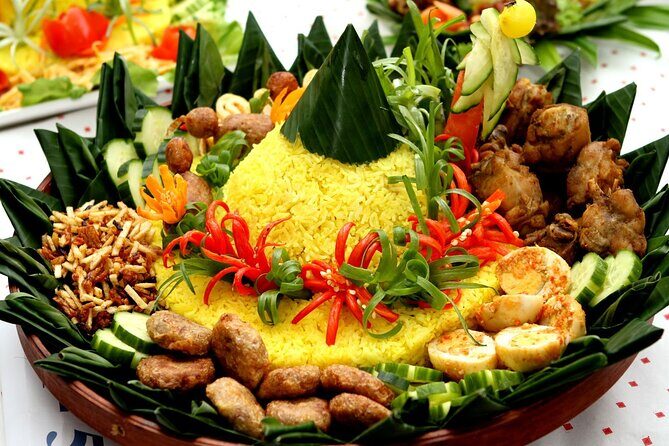
- Ceremony-inspired tumpeng and other Javanese dishes that go beyond basic cooking demos
- You cook multiple dishes (1 starter, 4 main courses, 1 dessert) and then eat what you make
- Herbal drinks at the table, including hibiscus tea or wedang uwuh
- A small group limit (max 15), which usually means more attention in the kitchen
Picking up your chef: the day starts before you’re hungry
This tour is built for morning energy. You’ll be picked up from your hotel in Yogyakarta, then you head out early for a traditional fresh-food market. It’s the right rhythm if you want the cooking class to feel like part of daily life, not a stand-alone show.
The best thing about this opening is that you’re not guessing what ingredients “should” taste like. You see them first: vegetables, herbs, meats, and spices laid out for local use. That makes the rest of the class click, especially when your chef points out what each spice does and how it fits into Javanese flavor.
If you’re the kind of person who likes to plan around a clear start time, you’ll likely appreciate the structure. The tour runs about 3 hours total, and you’ll either do it in the morning or the afternoon, depending on what you book.
Other cooking classes and food tours in Yogyakarta

The market tour: buying spices like you know what to ask
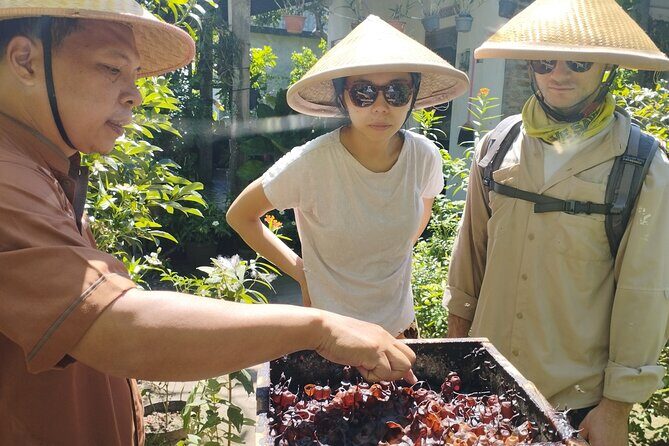
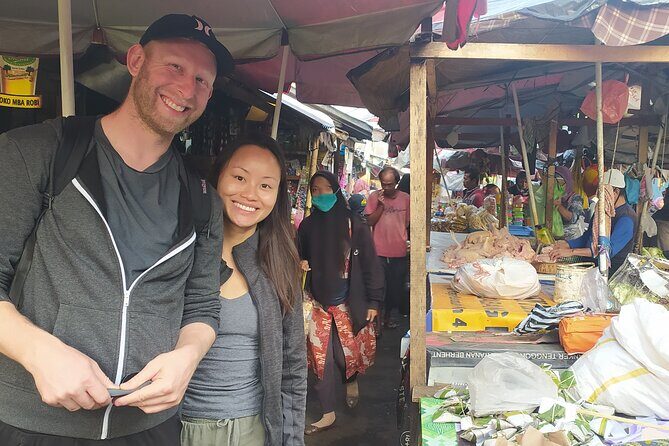
The market stop is where this experience earns its value. You’ll choose ingredients directly on the spot, so you get a real sense of what people actually cook with in Java. You’ll get a short briefing and a handbook, then you’re off to pick produce and ingredients from what’s available.
What to pay attention to (so you get more out of it):
- Spices and herbs: Notice the differences in aroma and form, even when they look similar. This is the stuff you’ll keep smelling later during cooking.
- Your chef’s guidance: An English-speaking chef will help you understand what to buy and why it matters.
- How ingredients translate to flavor: When you shop first, your cooking makes sense later. You’re not memorizing steps; you’re matching food to purpose.
One small practical tip: if you want smoother communication during the day, the experience is known for working well when you have WhatsApp loaded. That kind of setup helps if you need quick clarifications, especially in a group setting.
Rice plantation stop: why the staple matters more than the scenery
After the market, you’ll visit a rice plantation area. The focus here isn’t just photos. You’ll learn how rice—the staple crop—is cultivated and prepared, with time to take in the views around you.
Why this stop is worth your attention: rice is the backbone of a lot of Javanese meals, and it shows up in different forms and celebrations. Even if your main goal is cooking, understanding rice production gives your later dish-building more meaning.
The plantation portion is also a helpful mental reset. The market is sensory and busy; the plantation walk calms things down a bit before you switch into kitchen mode. Don’t expect a long wandering hike. Think short, informative, and scenic enough to make a difference.
Bantul village and a warm, home-style welcome

Next comes the traditional village area of Bantul, where you’re welcomed when you arrive. This is the part that turns the day into more than a class. You’re not just learning recipes from a counter-top kitchen. You’re cooking in a local home setting.
That matters because Javanese cooking is partly technique and partly rhythm. You’ll see how ingredients are handled, how tasks are paced, and how the kitchen works as a lived-in space. A few participants also described the hospitality as truly family-like, including moments like being offered tea if someone wasn’t feeling well. That kind of care is rare in a rushed, factory-style cooking tour.
Also, the small group size (maximum 15 travelers) means you’re less likely to feel lost in the shuffle. You can ask questions and get help without waiting forever.
The 3-hour cooking class: tumpeng, starters, four mains, and dessert

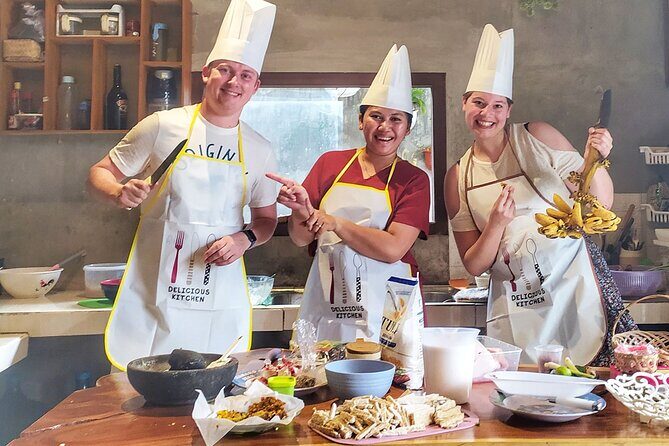
Now for the main event: a half-day morning or afternoon cooking class, guided by an expert chef. This is where you’ll learn the secrets of preparing Javanese food with guidance as you chop, mix, cook, and plate.





What you’ll cook
You’ll prepare:
- 1 starter
- 4 main courses
- 1 authentic dessert
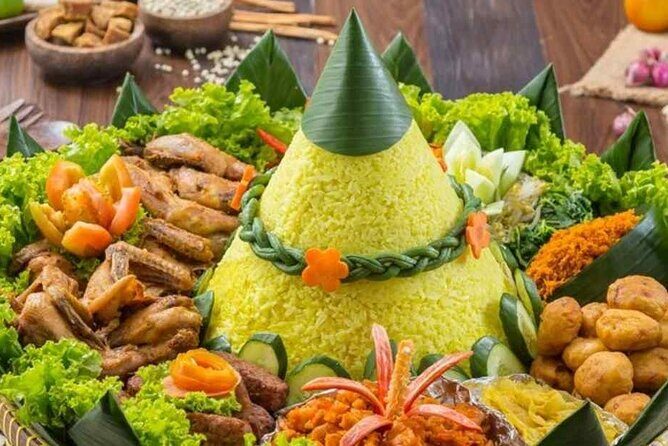
The centerpiece called out in the experience is tumpeng yellow rice. Tumpeng isn’t just a pretty shape on a plate. It’s a ceremonial dish tied to offerings in ceremonies from long ago. When you learn how to make it, you’re learning a food tradition, not only a recipe.
How the teaching tends to feel
The chefs and teachers behind this class are known for mixing practical instructions with stories. For example, guide Arma is described as sharing stories about Yogyakarta and Indonesia while you cook. Teacher Desy/Desi is repeatedly praised for clear guidance and patience.
That said, one caution: the class may not be a full-on master workshop where you have total freedom to freestyle. It can feel structured, and occasionally there may be less emphasis on lots of extra explanation than you’d expect from other cooking classes in other countries. If you need long technique lectures, go in expecting guidance plus doing, not constant classroom-style breakdowns.
Drinks with lunch
After cooking, your meal comes with traditional drinks. You might enjoy hibiscus tea or wedang uwuh, an eucalyptus-based traditional drink. This is a nice detail because it rounds out the meal in a way that feels Indonesian, not just Western-style “water and done.”
Eating what you make: portion size, variety, and real satisfaction
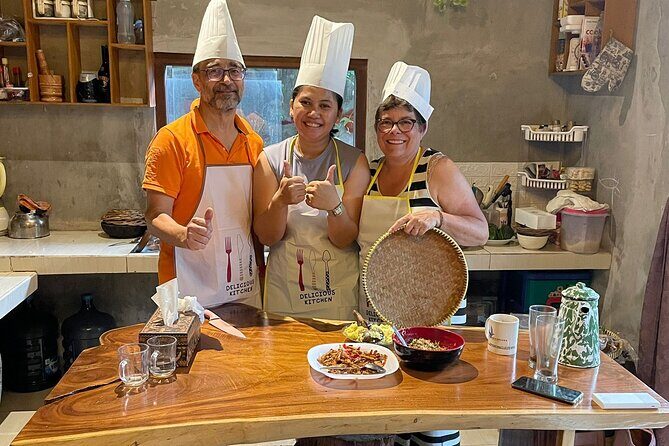
The meal is included, and you’ll sit down to enjoy the dishes you prepared. For many people, the biggest win is variety. With one starter, four mains, and dessert, you’re not leaving hungry and you’re not tasting just one highlight. You get a whole plate ecosystem.
Another quiet value: this format helps you learn faster. When you eat what you just cooked, you can immediately connect what the chef taught to what you taste. That’s when things like spice balance and cooking timing become clear.
And because you’re cooking in a local home environment, the meal often feels less like a restaurant serving, more like shared hospitality. That’s the kind of detail that tends to make the day stick in your memory.
Price and value: $35 for ingredients, lunch, pickup, and a chef
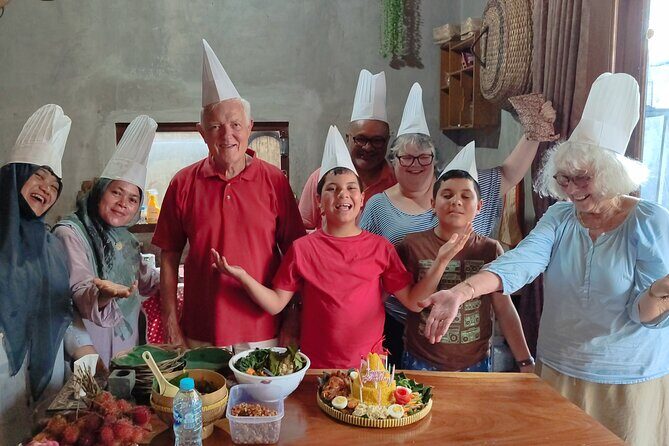
At $35.00 per person, this is priced like a true budget-friendly experience, especially for what’s included. You’re getting:
- an English-speaking chef/teacher
- all ingredients
- the recipe
- market tour
- lunch
- hotel pickup and drop-off in Yogyakarta
You’re also not limited to a short demo. You cook multiple dishes and then eat them. For many travelers, that combination is the best “cost per satisfaction” formula: transportation handled, ingredients covered, meal included, and real instruction.
One more value signal: the tour runs with a maximum of 15 travelers, which usually keeps the class from turning into a crowded show. A smaller group often means you get more attention while cooking, which matters when you’re handling spices and trying dishes like tumpeng.
If you’re comparing to cooking classes that only teach one dish, this one feels like a fuller meal day. It’s not only cooking. It’s buying, learning, cooking, and eating.
Who should book this Yogyakarta cooking class?
This one fits well if you:
- want a hands-on introduction to Javanese flavors
- like learning through doing (market first, cook second, eat last)
- enjoy cultural context with your food, including history stories from the chef
- want a small-group feel with hotel pickup
It may be less ideal if you’re the type who needs:
- lots of open-ended creative freedom while cooking
- extremely long explanation time for every technique
- an experience that feels like a slow, advanced culinary course rather than a structured half-day class
For most first-timers and food-curious travelers, it hits the sweet spot. You’ll leave fed and with a recipe in hand, plus a clearer idea of what Javanese cooking is built from.
Practical tips before you go
A few small prep notes can make the day smoother:
- Come hungry. You’re making a full meal and drinks, so plan on eating well.
- Use your phone wisely. If you like to coordinate quickly, have WhatsApp loaded, since communication may run through it.
- Be ready to shop. You’ll choose ingredients in the market, so keep some flexibility in your mindset. It’s not pre-packed.
- Wear comfortable clothes. You’ll move between locations and spend time around cooking work.
- Plan around a 3-hour block. Don’t schedule tight connections right after. Give yourself breathing room so you can actually enjoy the meal.
Should you book this Yogyakarta cooking class and market tour?
I think you should book it if you want a real slice of Yogyakarta through food, not just a recipe transfer. The pairing of market shopping + chef-led cooking + included lunch is the winning formula, and the class touches ceremonial food like tumpeng yellow rice, which gives the day extra cultural weight.
If your priority is deep technical cooking theory or total creative freedom, you might want to temper expectations. The experience is structured and guided, and that’s generally a good thing. It just means you’ll learn by cooking more than by extended lecturing.
Overall, for $35 with pickup, ingredients, recipes, and a full multi-dish meal, it’s strong value. If you’re in Yogyakarta and you like both learning and eating, this is a very easy yes.
FAQ
How long is the Yogyakarta cooking class and market tour?
The experience lasts about 3 hours.
What is included in the price?
It includes an English speaking teacher (Chef), all ingredients, recipe, lunch, market tour, and hotel pickup and drop-off in Yogyakarta.
Is hotel pickup and drop-off provided?
Yes. You’ll be picked up from your hotel in Yogyakarta and dropped off afterward.
What dishes will we cook?
You’ll prepare 1 starter, 4 main courses, and 1 authentic dessert, including tumpeng yellow rice as described in the experience.
How large is the group?
The group size has a maximum of 15 travelers.
Can I cancel for a refund?
Yes. You can cancel for a full refund if you cancel at least 24 hours in advance of the experience start time.